
From the Woods to the City
November 2026
Article and photos by Jessica Plance
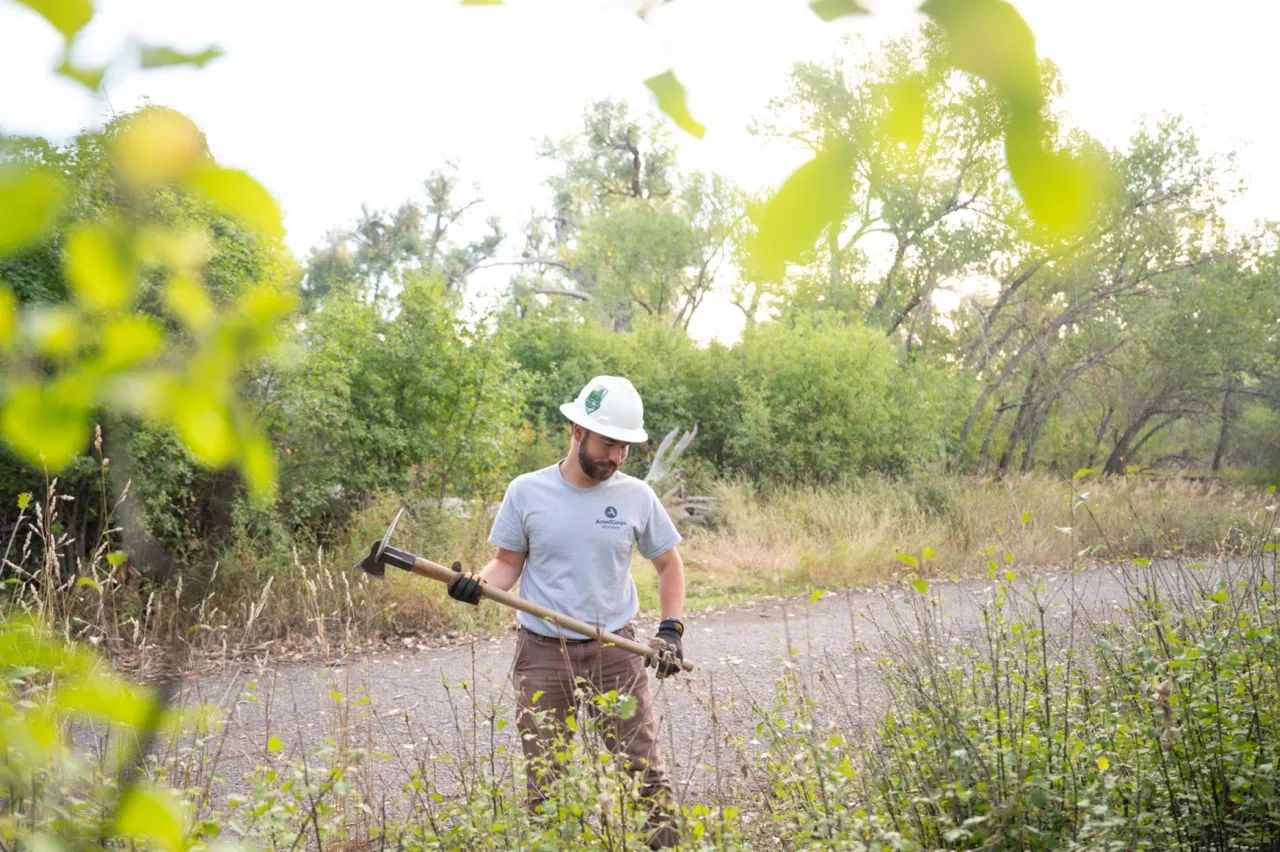
When Noah Dressander moved to Montana, he wanted something new. A forestry graduate from Michigan State University, Dressander had done most of his work in forests and remote settings. After graduating, he found the Montana Conservation Corps, or MCC, while searching job boards and decided to give it a shot. “I thought Montana seemed pretty cool,” Dressander said.
That first position brought him to Missoula, where he spent five months working with the U.S. Forest Service through MCC’s Conservation Fellows program. When that term ended, he learned about another MCC opportunity: the 10½-month Big Sky Watershed Corps program.
One of the open positions was with Billings Parks and Forestry. For Dressander, it was a natural fit. His degree was in forestry, and he had already spent years working with trees. But the Billings position offered something different: the chance to practice forestry in an urban environment and work directly with the community. “I could do something more public-facing,” he said.
Now much of Dressander’s work takes place in and around Billings’ parks, where no two weeks are quite the same. New projects bring new challenges, including invasive species work and tree pruning. He has also learned to run equipment he never expected to use, including loaders and dump trucks. “When there’s new projects each week, there’s something new to learn,” he said. “It’s kind of nice that there’s always new stuff, there’s always learning to do.”
For Nick Miller, a forester with Billings Parks and Forestry, that willingness to learn is one of the most valuable things MCC members bring to the department. They arrive with “a strong sense of passion,” Miller said, and are ready to work, listen, and learn. One of his favorite parts of working with them is watching how much they grow during their terms.
Miller has watched that happen with Dressander. “He might not see it, but his shoulders have definitely gotten broader,” Miller said, describing how Dressander has become someone who can carry more responsibility within the crew. His confidence, Miller said, has increased considerably since his first day.
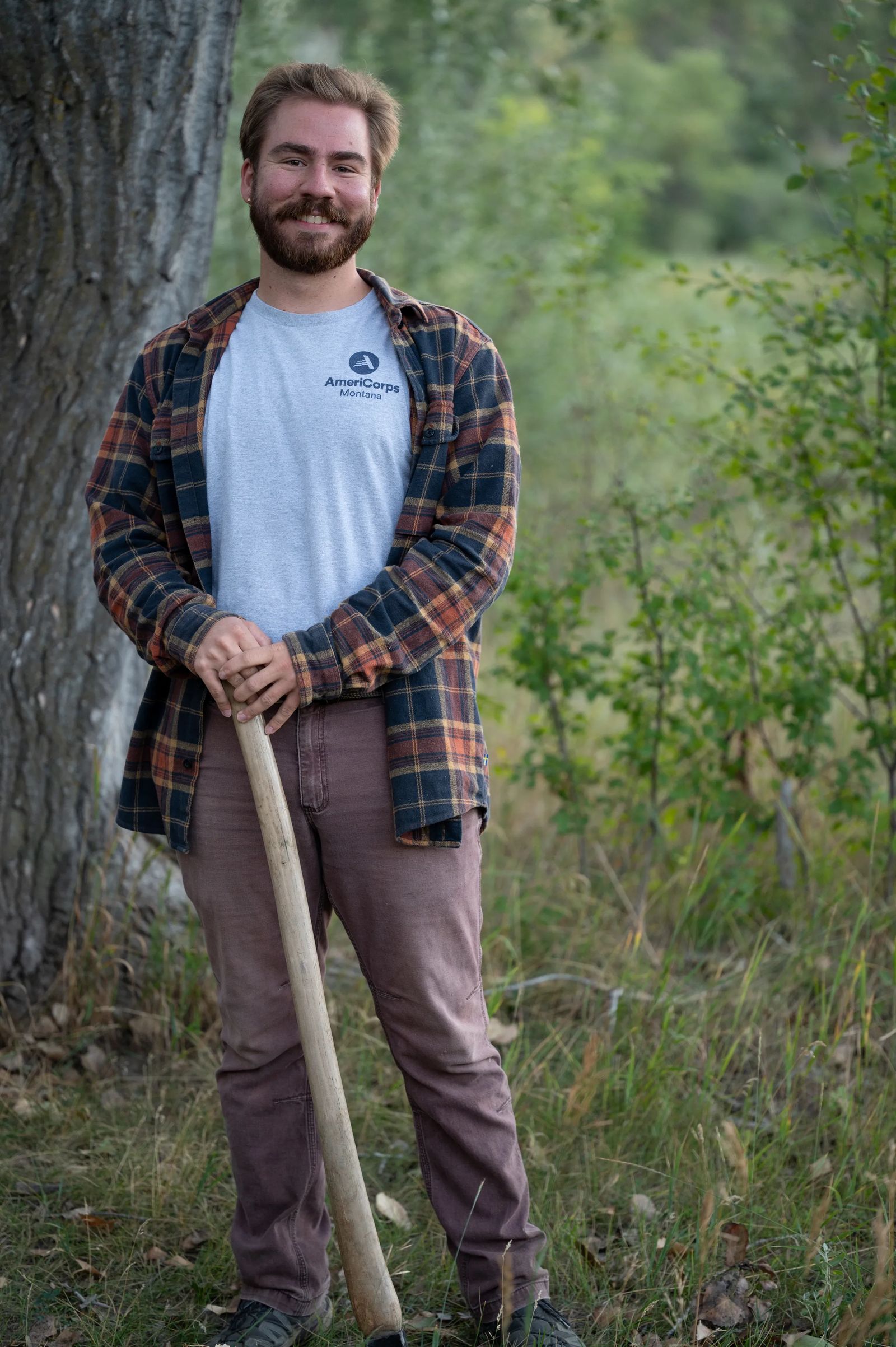
That change has been especially clear since Dressander took on a teaching role. Three more MCC members joined the crew after he had already spent several months learning the job. Suddenly, he was the one passing along what he knew, including how to safely operate equipment and complete forestry work.
At first, he struggled with how to teach something he already knew how to do. Over time, that changed. Dressander became more comfortable explaining the moving parts of running a wood chipper and using chainsaws to prune trees. Now, he said, he feels confident teaching others.
“I love to teach,” he said. “It’s nice when I can feel like it’s effective.” That shift from learning to leading has been one of the biggest changes for Dressander during his time in Billings. It has also pushed him to understand different leadership styles. Miller’s hands-off approach has required Dressander to take more initiative, while working alongside an arborist and other supervisors has shown him different ways of learning and teaching.
As his responsibilities have grown, so has his sense of where he fits within the crew. The changes go beyond equipment and forestry skills, though. Working in Billings has also changed the way Dressander thinks about urban forestry itself.
Before coming to the city, most of his forestry experience had been in remote forests. Urban forestry, he quickly learned, calls for a different mindset. In a city, people are intentionally creating and caring for a forest where one did not naturally exist. “We’ve built this city, and we need to build our forest in it too,” Dressander said.
Trees provide shade and environmental benefits, and they support physical and mental health. In a city like Billings, Dressander said, urban forests can help offset some of the impacts of a busy, industrial environment.
But urban forestry is also about people. Because the work happens in public spaces, Dressander often finds himself explaining what the crew is doing and why.
At Riverfront Park, he has worked with volunteers and groups of children, helping them understand what the city’s foresters do and what conservation work looks like. That public interaction is a big change from his earlier forestry work. “I’m always behind a locked gate, and I’m kind of hidden away from everybody,” he said of his previous jobs.
In Billings, people can simply walk up and ask what he is doing. Dressander has learned to explain why a tree is being pruned or removed, why crews are using heavy equipment in a park, and what the work’s larger purpose is.
For him, that community connection has become one of the most interesting parts of urban forestry. “It’s something that you can really see about doing,” he said, describing the chance to introduce people to forestry and conservation.
As his MCC term nears its end, Dressander knows he wants to keep working in forestry, though he is still figuring out where that path will lead. He is considering another temporary position, possibly with a different city. He has also been looking toward the Southwest, where an arid landscape would bring an entirely different set of conservation challenges.
Having moved from Michigan’s forests to Montana, and from remote forestry work to city parks, Dressander wants to see what else he can learn. “I already went from the woods to the city,” he said. “Now I can move to somewhere that’s more of that, like arid desert, and see what differs between their conservation and sustainability practices.”
Wherever he goes next, he said, moving has taught him to approach each new place with curiosity. “There’s something special about picking up and moving somewhere new,” Dressander said. “Everything is different, and you kind of get back into that sponge state where you’re soaking up everything that you can.”
For now, that learning is happening in Billings, among the trees, parks and people he has spent nearly a year getting to know. He credits both MCC and Billings Parks and Forestry with giving him the opportunity. “It’s just been a really cool opportunity,” he said. “It’s nice that I get to do this, and that people are really hyped about what we’re doing, too.”
Originally printed in the Novmeber 2026 issue of Simply Local Magazine
Never miss an issue, check out SLM's digital editions here!


