
Raised by the Land: What a Montana Father Passes Down
June 2026
Article by Jessica Plance
Before she could name it, Augusta (Gusty) Catherin-Sauer was already learning what it meant to belong to a place. She grew up between central Idaho and eastern Montana, splitting time between her mom’s work with the Forest Service and summers spent on a ranch outside of Colstrip, where her dad managed a cow-calf operation. Both of her parents worked in land management. Both built their lives outdoors. So for Gusty, the lessons started early, long before they felt like lessons at all. “It was just normal,” she says. “We were always outside. Whether it was ranching, recreation, or just being in it.”
Her dad’s path west began at 19, when he left Minnesota for Montana, eventually studying range management and finding work on a ranch that would shape the rest of his life. He also joined fire crews, later becoming a smokejumper, parachuting into remote wildfires across the West. The work was grueling and unpredictable, the kind of job that demands both grit and trust in the people around you. Those same values: resilience, humility, and community, became part of the fabric of Gusty’s upbringing.
Some of her earliest memories are quiet ones. Cold mornings in a goose blind. The hush of a wall tent before sunrise on elk hunts. Playing cribbage, drinking tea, and waiting for the day to begin. Other memories were less peaceful.
“We didn’t have a bird dog,” she laughs. “So I was the bird dog.” As a kid, that meant being sent to retrieve downed geese, sometimes not quite finished. It was messy, a little chaotic, and maybe not the kind of childhood moment most people picture. But it taught her something lasting: where food comes from, and what it means to take responsibility for it.
That connection to the land, honest, physical, and sometimes uncomfortable, showed up everywhere. There were gardens and chickens, long days spent helping on the ranch, and early exposure to the full cycle of life and death that comes with working with animals and the land. “You just learn it,” she says. “You learn the value of it, and you’re not afraid of it.”
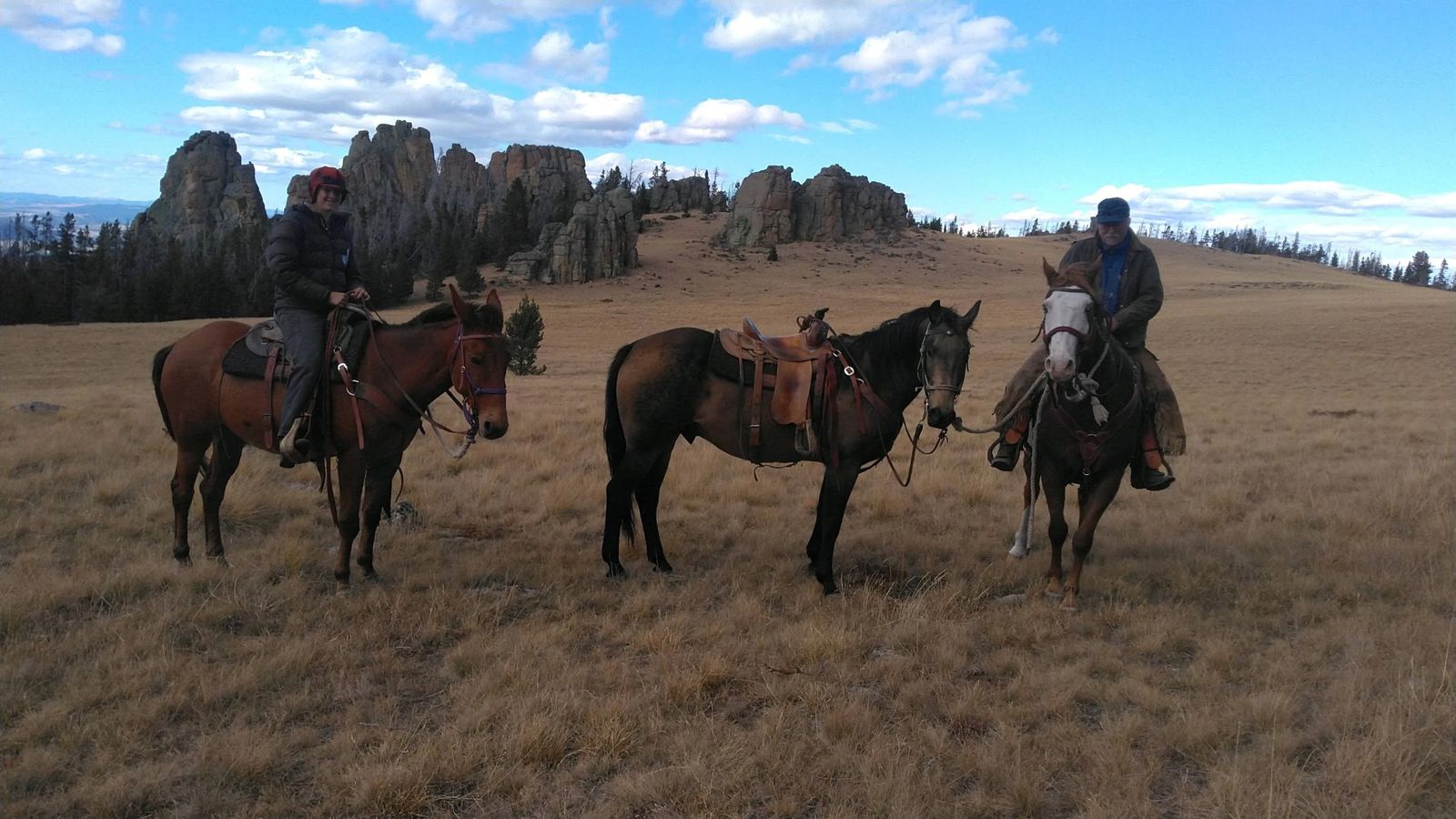
Her dad, Brad Sauer, a skilled horseman and backcountry packer, also passed down a kind of quiet competence. Gusty remembers riding out to move cattle, sometimes losing track of him as he moved quickly across the landscape while she lagged behind, her horse wandering. “I remember just being like, ‘I don’t know where I’m going,’” she says. “But you figure it out.”
Horses were her first real entry point into the outdoor space. She started young, riding in rodeos and later competing in three-day eventing, a demanding sport that traces its roots to cavalry training. She also spent time packing with her mom’s Forest Service trail crews, learning how to handle mules and navigate the backcountry differently.
By college, the path forward felt clear. She wanted to work outside. She became a river guide on Idaho’s Salmon River, eventually leading multi-day trips through the Frank Church Wilderness. Guiding meant more than rowing; it meant working with people to push them out of their comfort zones and build their connections to each other and the land. “That place and that community were really formative,” she says. “It’s where a lot of people start to care deeply about public lands.”
That sense of stewardship, something modeled by both her parents, continued to shape her career. After college, she worked with the U.S. Fish and Wildlife Service, then moved to Montana and joined the Forest Service, surveying timber, tracking wildlife, and even serving on a fire crew, another full-circle moment tied to her parents’ experience.
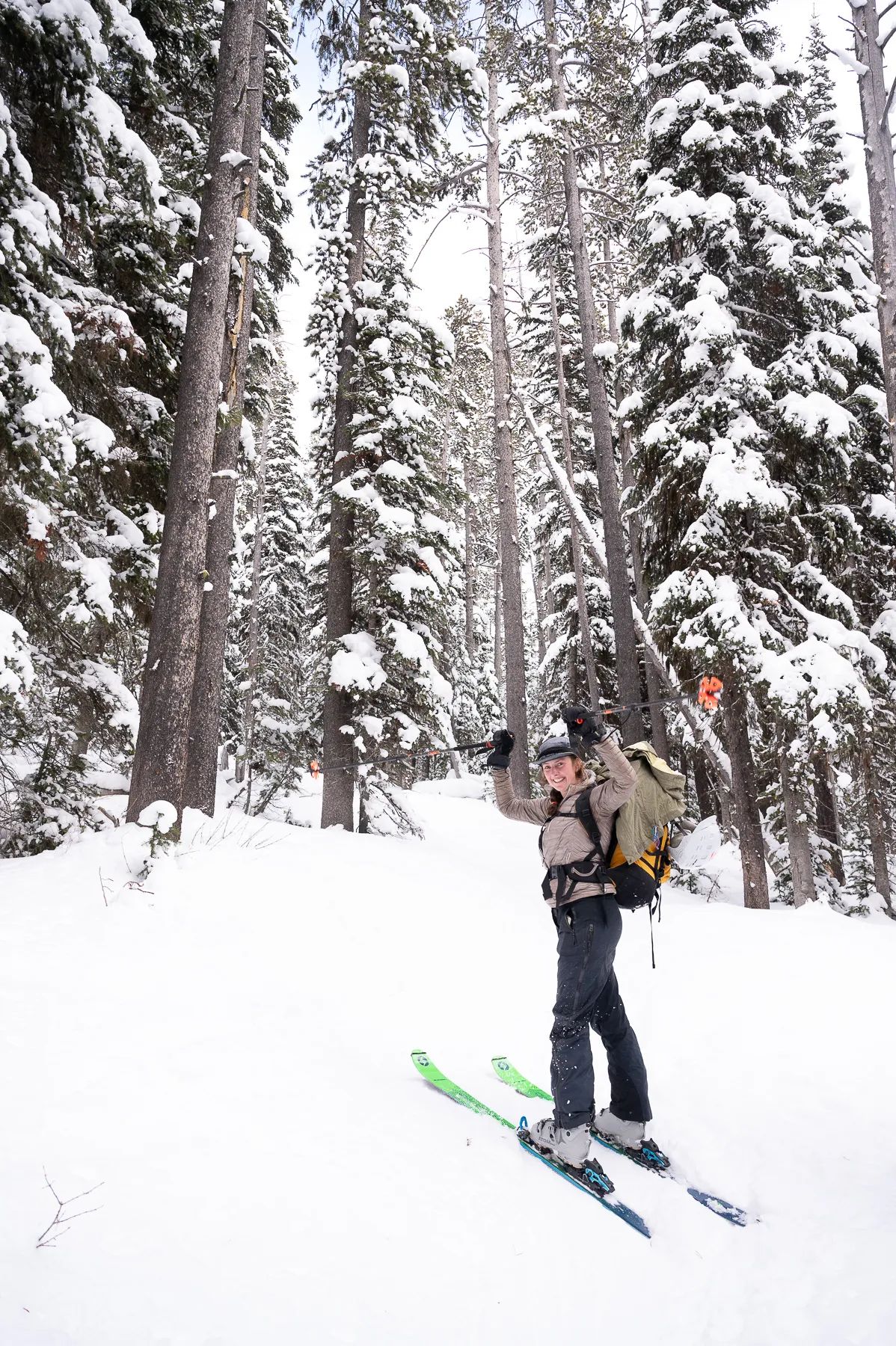
Today, she works as an agricultural organizer, connecting people to the land in a different way: through advocacy, community, and the belief that people should have a say in what happens where they live. It’s work that feels deeply personal. Years earlier, her dad had been involved with organizing efforts through Northern Plains, part of a broader fight to protect the Tongue River Valley from large-scale coal development. Those efforts led to major wins, including a federal court decision requiring a new environmental review for the proposed Tongue River Railroad and, later, the withdrawal of the massive Otter Creek coal mine project. Now, Gusty finds herself carrying that same thread forward, working to ensure a thriving future for Montana family agriculture, rooted in the idea that local communities should have a voice in shaping the land and livelihoods around them. It’s a different kind of work, but rooted in the same foundation.
When she thinks about what her dad taught her, it’s not one specific lesson or phrase, though he has plenty of both. It’s something quieter, more consistent. “He really believes in people,” she says. “In investing in your community, your friends, and trusting that it comes back around.”
That might be the most lasting inheritance of all, not just a love of the outdoors, or the skills to move through it, but a way of being in the world. One that values connection, shows up for others, and understands that both land and relationships require care. Watching Gusty and Brad interact, whether they are two-stepping at Red Ants Pants Music Festival or branding cattle, reveals not only a father-daughter dynamic but also a deep sense of friendship between them. For Gusty, it all traces back to those early days, cold mornings, wide landscapes, and a father who didn’t just teach her about the outdoors, but how to live within it.
Originally printed in the June 2026 issue of Simply Local Magazine
Never miss an issue, check out SLM's digital editions here!


