
10 Tips for Backpacking With Your Dog
October 2026
Article and photos by Jessica Plance
There's something special about sharing a trail with a dog. They bring an enthusiasm for the outdoors that's hard to match, and once they learn the routine, they can become some of the best backpacking companions you could ask for.
I started hiking with my dog when he was young, which gave us plenty of time to learn the basics together. Over the years, I've learned that backpacking with a dog requires a little more preparation than simply adding a leash to your own gear list. Their comfort, safety, and behavior all need attention, too.
Here are a few things that have made backcountry trips with my dog easier and more enjoyable.
1. Start with trail etiquette
If you want your dog to be a good hiking companion, start training early. Teach them to stay on the trail, respond to basic commands, and give other hikers and their dogs space. Not everyone is comfortable around dogs, and even friendly dogs can become unpredictable when encountering wildlife, horses, or other dogs.
I always bring a leash, even in places where my dog is normally allowed to roam free. You never know when you'll need to pass another hiker, encounter wildlife, or enter an area with leash restrictions.
2. Pack a dog first-aid kit
Dogs are just as capable of getting into trouble on the trail as humans. A small first-aid kit can handle minor cuts, scrapes, and irritated paws. Consider carrying gauze, self-adhering bandages, tweezers, antiseptic wipes, allergy medication (consult your veterinarian about the right medication and dosage for your pet), and a small pair of scissors.
It's also worth knowing how to check your dog's paws and body for cuts, thorns, burrs, or other injuries after a long day. For longer trips, talk to your veterinarian about what emergency supplies are appropriate for your dog.
3. Give them their own backpack
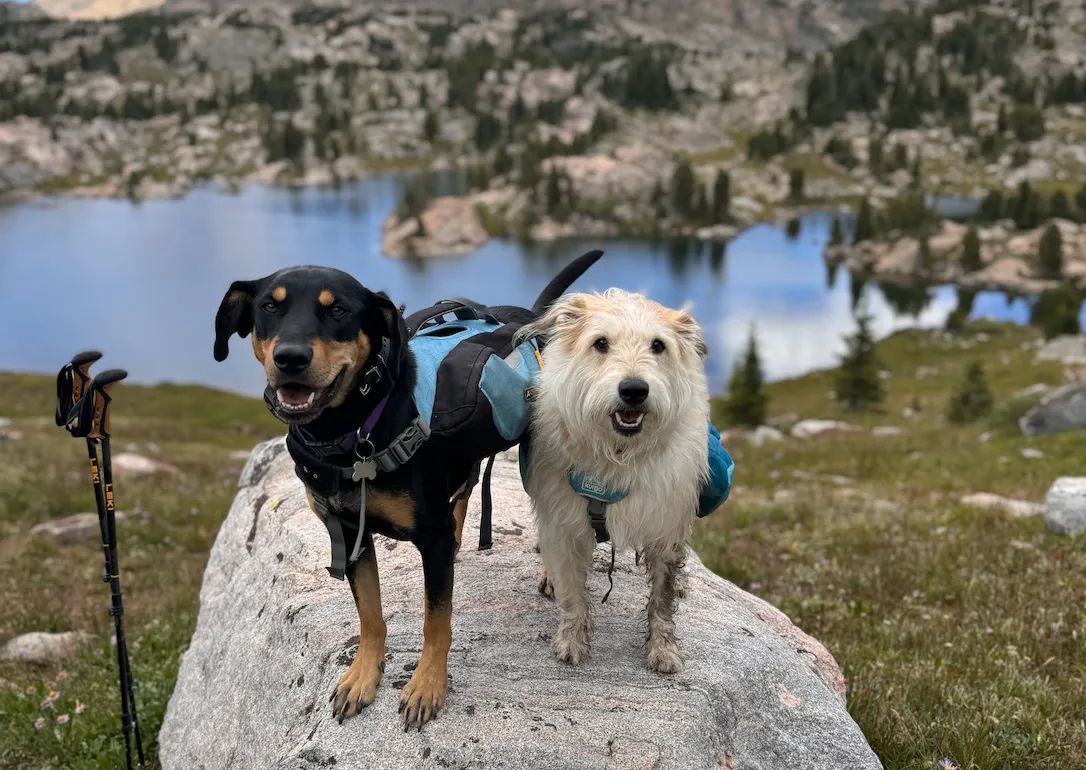
A properly fitted dog backpack can let your pup carry some of their own supplies, but don't treat it like a second human-sized pack. Start with a lightweight load and gradually work up if your dog is comfortable.
Their pack can hold lightweight items such as food, treats, and waste bags. Make sure it fits properly and doesn't rub under the legs or around the shoulders. And don't forget the snacks. Hiking burns plenty of energy, and your dog will appreciate having their own trail treats.
4. Bring a collapsible water bowl
A collapsible bowl takes up almost no space and makes water breaks much easier. Bring enough water for your dog and yourself, particularly when you're hiking somewhere without reliable water sources. Even if you expect to find streams or lakes, it's smart to carry water and know whether the sources along your route are safe for dogs.
5. Pack a microfiber towel
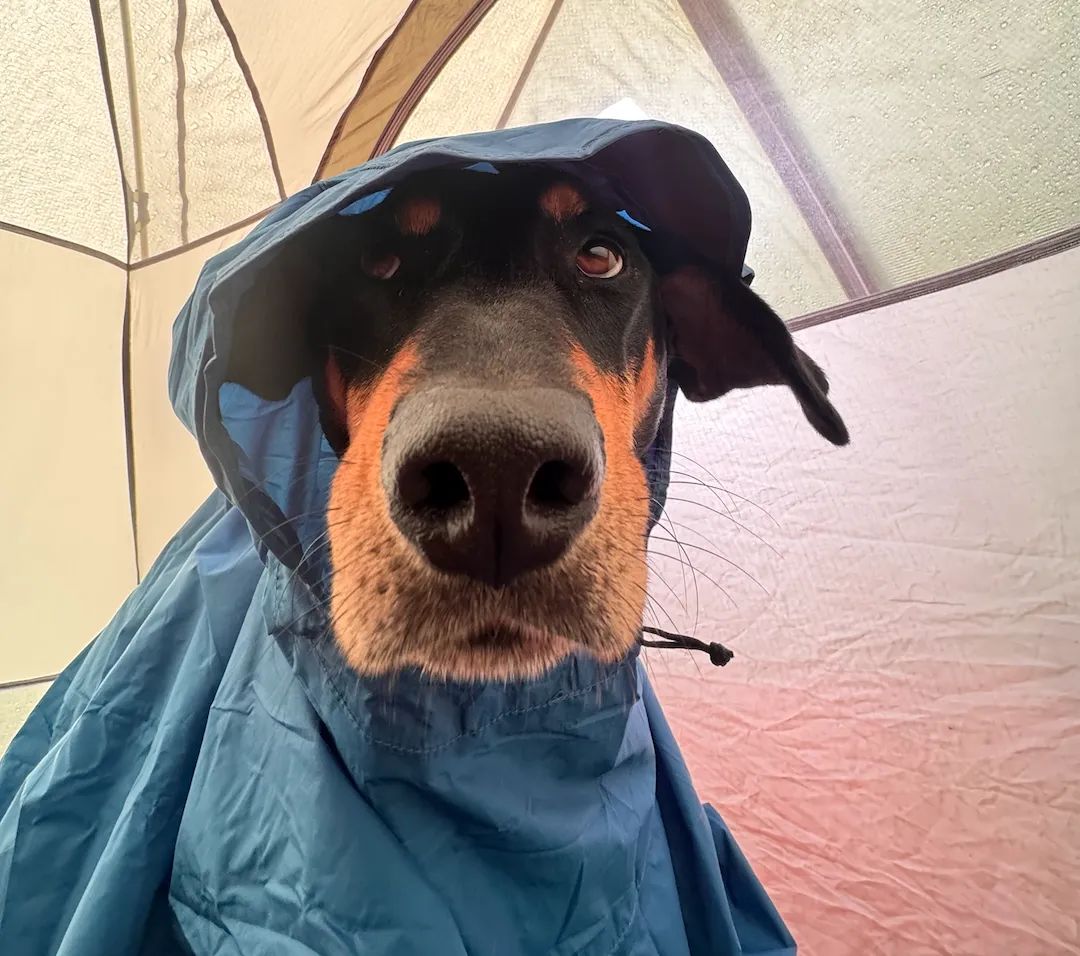
A tiny microfiber towel has become one of those pieces of gear I don't want to backpack without. It's useful for muddy paws, wet fur, and wiping your dog down before climbing into the tent. A few minutes spent cleaning off muddy paws can make a surprisingly big difference when you're sharing a small tent.
6. Give them their own sleeping setup
Dogs may be perfectly happy sleeping on the ground at home, but cold, wet, or rocky conditions are a different story. Bring a blanket, sleeping pad or lightweight dog bed depending on the conditions.
I like giving my dog his own Rumpl-style blanket so he has a familiar place to settle down at night. It also gives him a barrier from cold or damp ground and somewhere to lie when we sit by the campfire.
7. Think about where you'll store the dog gear
At camp, don't forget that your dog's backpack and food are part of your food-storage strategy. A length of rope can be useful for hanging gear when appropriate and permitted, but always follow the specific food-storage requirements for the area you're visiting.
8. Have a plan for dogs who like to wander
Some dogs are natural trail roamers. If yours likes to explore, consider bringing a long lead line or another appropriate way to give them freedom while maintaining control. Some owners also use remote training collars, but these should only be used if you've properly trained your dog to respond to them. The goal is to have a reliable recall and a safe way to manage your dog, not to rely on a device when a command hasn't been established.
9. Don't forget recovery
After a long day of hiking, your dog's body needs recovery just like yours does. Learning a few simple canine stretches and massage techniques can help you check in with how they're feeling and gently work out some stiffness.
Keep it simple and gentle, and pay attention to your dog's response. If something seems painful or unusual, stop rather than trying to work through it. A quick paw, leg, and body check at the end of the day is also a good habit. It's an opportunity to catch small problems before they become bigger ones.
10. Make them visible after dark
A small collar light or illuminated tag is inexpensive, lightweight, and useful around camp. It makes it much easier to keep track of your dog when they wander a few feet away from the tent or when you need to take them outside after dark. It's one of those tiny pieces of gear that can provide a lot of peace of mind.
The best gear is the gear that keeps you together
Backpacking with a dog requires a little extra planning, but most of it comes down to anticipating the same things you already consider for yourself: food, water, warmth, safety, and recovery. The biggest difference is that your dog can't tell you when something doesn't feel right. Pay attention to their behavior, paws, energy, and body language throughout the trip. Build up their mileage gradually, know their limits, and be willing to turn around when conditions aren't right.
Originally printed in the October 2026 issue of Simply Local Magazine
Never miss an issue, check out SLM's digital editions here!


