
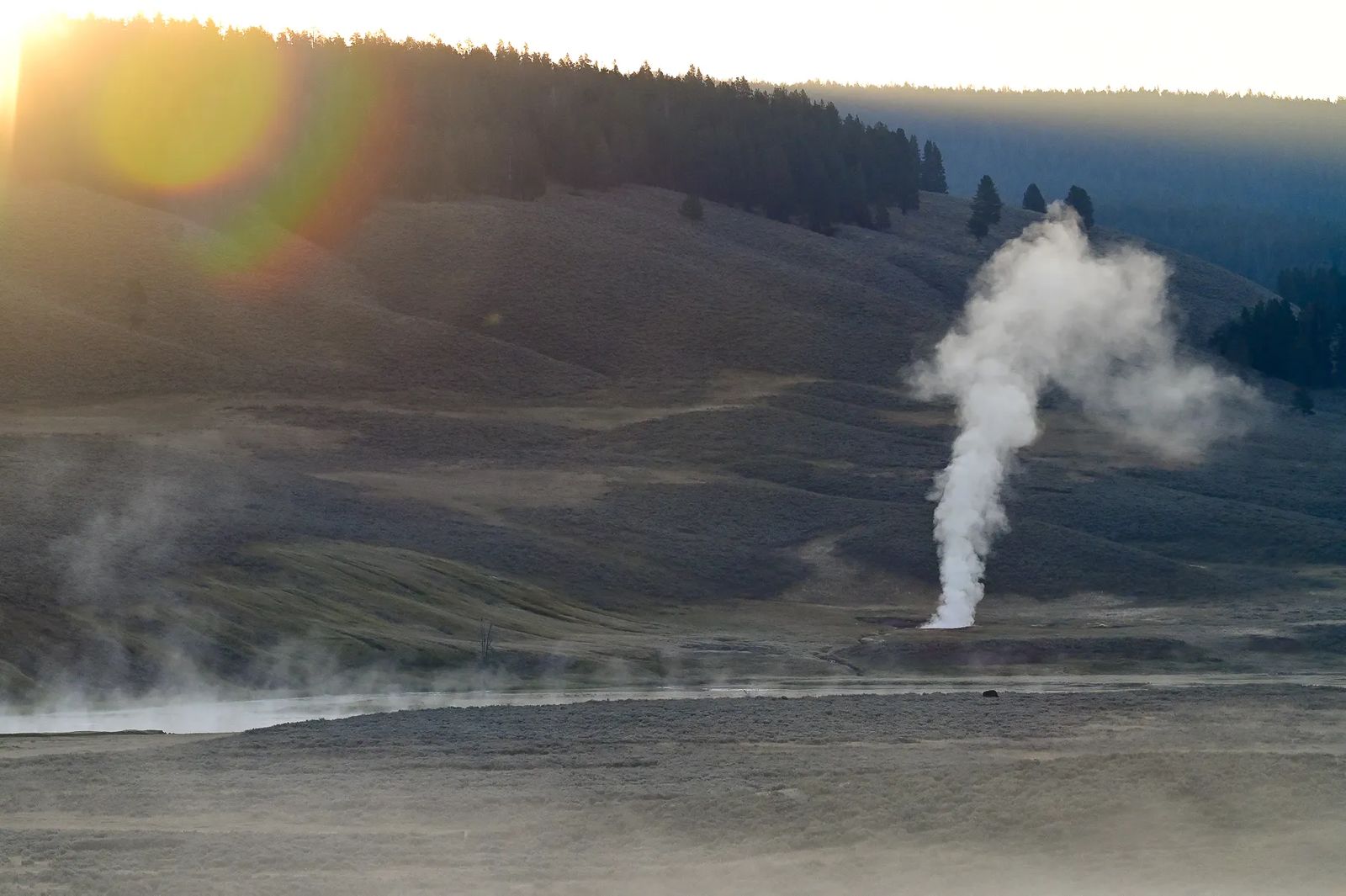
Yellowstone’s Untouchable Wonders
August 2026
Article and photos by Jessica Plance
Some geothermal areas are best appreciated from a respectful distance. These locations offer remarkable geological and biological features while protecting sensitive habitats.
1. Biscuit Basin (Yellowstone National Park)
Located just north of Old Faithful, Biscuit Basin is one of Yellowstone's most dynamic geothermal areas. Named for the biscuit-shaped mineral formations that once surrounded Sapphire Pool, the basin features brilliant blue hot springs, steaming vents, and colorful microbial mats.
In July 2024, a hydrothermal explosion dramatically altered portions of the basin, serving as a reminder that geothermal landscapes are constantly changing. Scientists continue to study how shifts in underground water pressure and heat influence these features.
The basin's hot waters host communities of heat-loving microorganisms, their presence visible in the vivid bands of color ringing each pool.
Swimming is prohibited, both because of the extreme temperatures and to protect fragile geothermal ecosystems.
2. Norris Geyser Basin (Yellowstone National Park)
Norris Geyser Basin is Yellowstone's hottest, oldest, and most dynamic thermal area. Temperatures beneath the basin can exceed 400 degrees Fahrenheit, fueling an ever-changing landscape of geysers, fumaroles, hot springs, and acidic pools.
The basin is home to Steamboat Geyser, the world's tallest active geyser, which can erupt water more than 300 feet into the air. But some of the basin's most fascinating residents are microscopic. Thermophilic bacteria and archaea inhabit waters that would be lethal to most forms of life.
Because Norris contains a wide range of temperatures and water chemistries, it serves as a natural laboratory for scientists studying extremophiles. Researchers have identified microorganisms capable of surviving in highly acidic waters, intense heat, and low-oxygen environments.
The boardwalks here do all the work, putting you close enough to feel the heat without disturbing one of the most active geothermal landscapes on the planet.
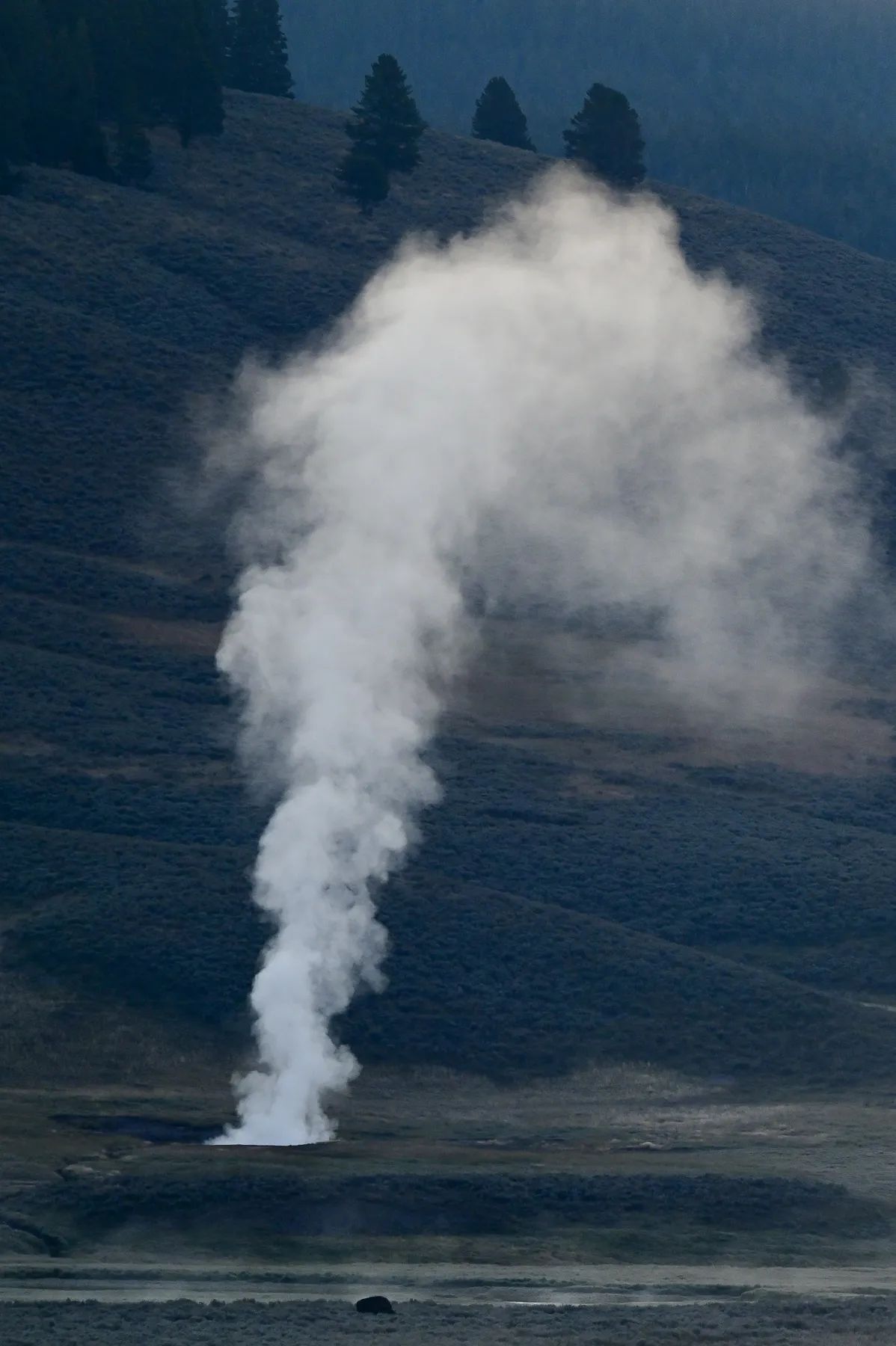
3. Mammoth Hot Springs (Yellowstone National Park)
Perhaps the most famous hot spring landscape in the region, Mammoth's spectacular travertine terraces resemble a frozen waterfall carved from stone. Constant mineral deposition creates an ever-changing landscape. Swimming is prohibited, but boardwalks provide close-up views of one of North America's most extraordinary geothermal systems.
4. Terrace Spring Area (Yellowstone National Park)
Less famous than Mammoth but equally fascinating, these geothermal features showcase active mineral formation and microbial communities. Visitors can observe colorful thermal activity while remaining on designated pathways.
More Than a Place to Soak
Montana's hot springs are often marketed as places to relax, but their significance extends far beyond recreation. They are windows into the forces that continue shaping the Rocky Mountains beneath our feet. They reveal how groundwater moves through the earth, how minerals build landscapes over time, and how life adapts to conditions that once seemed impossible.
The next time you see steam rising from a Montana hillside, consider the journey that water has taken, from mountain snowpack to deep underground chambers and back again. Along the way, it has helped sculpt the land, sustain unique ecosystems, and tell a story that was here long before us and will continue long after.
That's a reminder worth pausing for, whether you're soaking in a developed pool or simply admiring the view from a boardwalk.
Originally printed in the August 2026 issue of Simply Local Magazine
Never miss an issue, check out SLM's digital editions here!


