
Permission To Imagine
April 2026 | Arts + Entertainment
article by Hannah Olson | Photos courtesy of Big Sky Economic Development
There are places we pass every day without noticing. Empty corners. Blank walls. Overgrown lots. Forgotten stretches of sidewalk. And then there are places that feel different, where someone thought to add a bench, plant flowers, paint a mural, hang lights, or build something that invites you to stay a while. The difference between the two isn’t always money. Sometimes, it’s permission.
That’s the heart of Space2Place, a creative placemaking micro-grant program launched in 2018 by Big Sky Economic Development. Its purpose is simple and quietly powerful: help residents of Yellowstone County transform overlooked spaces into meaningful places, places that invite gathering, spark connection, and build pride. “It’s really a way for people to do grassroots efforts, give back to their community, and create a place that is more inviting,” says Dianne Lehm, Director of Community Development at BSED.
GRASSROOTS BY DESIGN
The emphasis is on grassroots. Space2Place isn’t limited to large organizations or professional developers. Individuals, youth groups, businesses, schools, neighborhood coalitions, small towns, and community task forces can all apply. From the beginning, inclusion mattered. “It was really important for me to make sure that we included youth,” Lehm says, noting that the program was intentionally structured to encourage younger generations to step forward and shape the communities they’re inheriting.
Since its launch, Space2Place has funded more than 50 projects across Yellowstone County, not just in Billings but also in Laurel, Lockwood, Huntley, Worden, Shepherd, and beyond. “It isn’t specific to Billings,” Lehm says. “We really cover the entire area.” The projects reflect that wide lens.
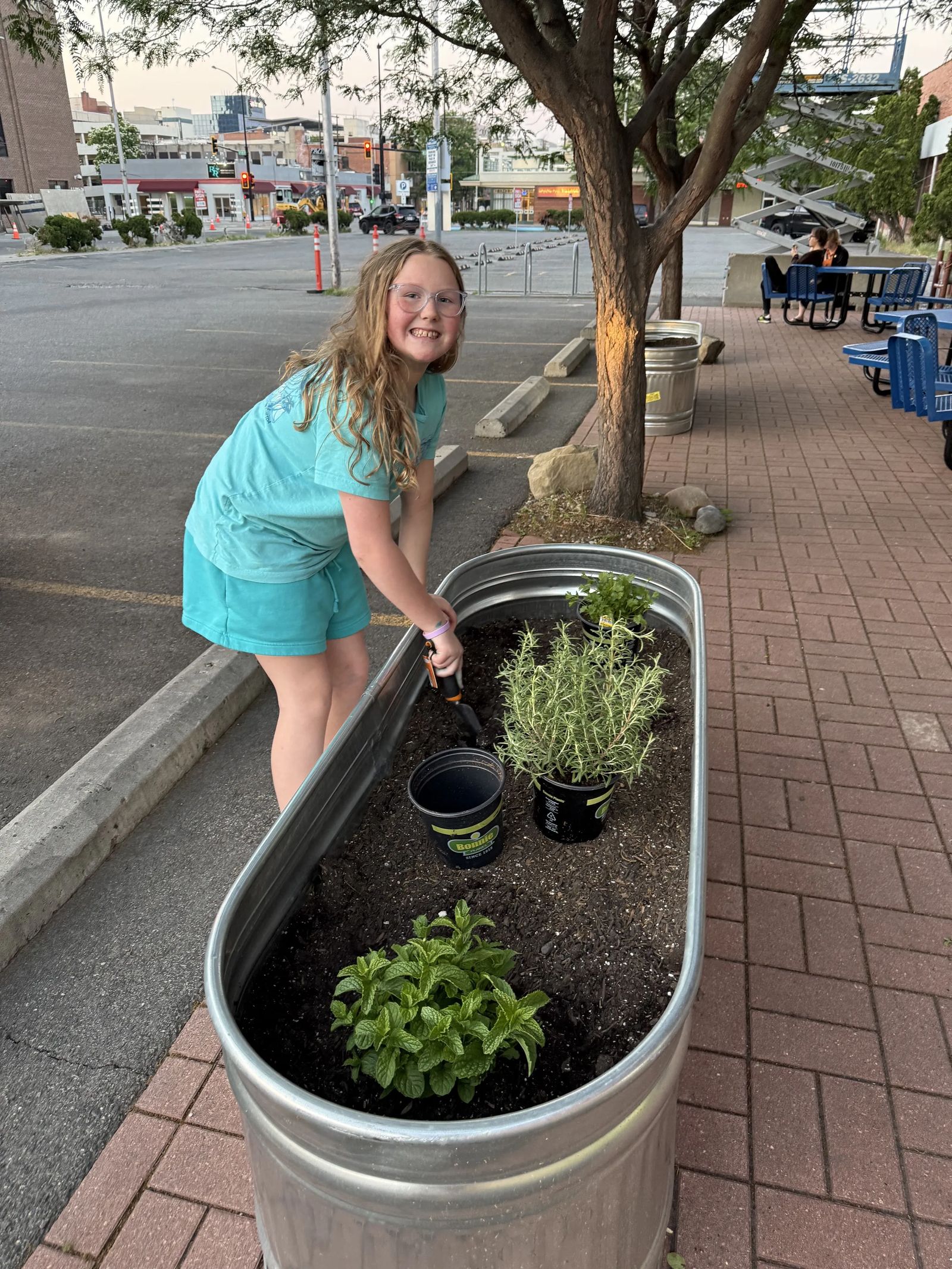
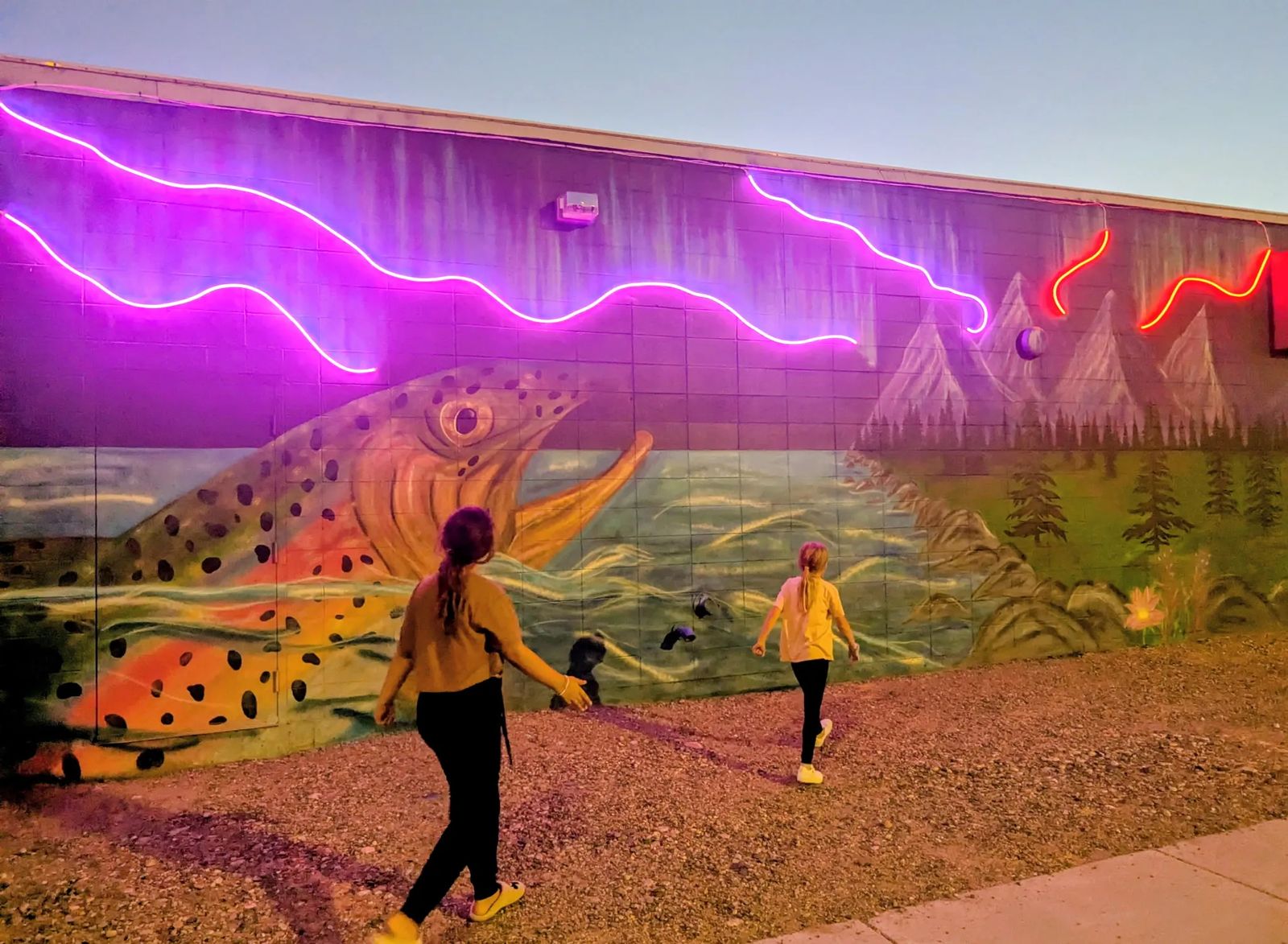
While murals often capture attention, the program is far more expansive. Funded projects have included community gardens, outdoor gathering spaces, welcome planters, underpass improvements, musical installations, low-ropes courses, seating areas, lighting projects, and small civic enhancements that change how people experience a space. “We’re not married to any specific type of project as long as it meets the placemaking criteria,” Lehm says. “We really love to see the creativity of what people come up with.”
MORE THAN BEAUTIFICATION
At its core, placemaking is about four things: access, comfort, activity, and sociability. Is the space easy to reach? Does it feel welcoming? Is there something to do? Does it encourage people to connect? When those elements come together, something subtle yet important happens. “People are engaged with one another. They’re volunteering together,” Lehm says.
Because Space2Place expects a community match, often in the form of volunteer labor, the transformation doesn’t just appear in the finished product. It unfolds in the process. Neighbors work side by side. Students collaborate with mentors. Local businesses contribute materials. People show up. “You’ll see people working together, coming together for a common good,” she says. The impact lasts beyond the ribbon cutting. “The spaces are more activated,” Lehm explains. “People are there enjoying the areas that were created. So, it’s not a stagnant space any longer.”
There’s also a practical benefit: safety and stewardship. “When you’ve got more people around in a spot, it’s safer and feels more comfortable,” she says. “There’s less questionable activity going on.” In spaces that once felt forgotten, people begin to linger. They take ownership. They care for what they helped build. “You don’t see the litter, the messes that sometimes can be seen in areas that are almost forgotten,” Lehm notes. “People are more respectful.” It’s economic development in a quieter form, not large infrastructure or sweeping policy, but incremental, visible improvements that signal something deeper: this place matters.
THE INVITATION
Each year, applicants may request up to $5,000, and total project budgets are capped at $10,000. A review committee of community members, staff, and board representatives evaluate proposals based on impact, feasibility, and alignment with placemaking principles. “We look at whether the project could still be done if it didn’t receive full funding,” Lehm says. “We try to make the money we do have go the furthest.”
The funds come through Big Sky Economic Development’s Community Development Program, supported by county partnerships and contributions. Since 2018, the program has grown in both scale and awareness. “It’s a program that people are now starting to watch for so they can get involved,” Lehm says. And that’s perhaps the most powerful part: it invites people to imagine what’s possible. What if that blank wall told a story? What if that corner lot hosted a gathering? What if a bench sparked a conversation? Space2Place doesn’t dictate the answers. It poses the question and trusts the community to respond.
The 2026 Space2Place grant winners have already been selected and will be announced soon. Community members are invited to attend Big Sky Economic Development’s event on April 23 at 105 Brewing to hear which projects will move forward this year. Details will be available on the BSED website, where residents can also explore past projects and begin thinking about ideas for the next cycle. “Every year is a different year,” Lehm says. “I’m not really sure what to expect.” But that uncertainty is part of the beauty. It means creativity is alive. It means the next transformation could come from anyone: a student, a retiree, a small-town committee, or a business owner with a vision. A space becomes a place the moment someone decides it’s worth caring about. Space2Place simply provides the tools to begin.
Originally printed in the April 2026 issue of Simply Local Magazine
Check this article out in the digital issue of Simply Local here!


