
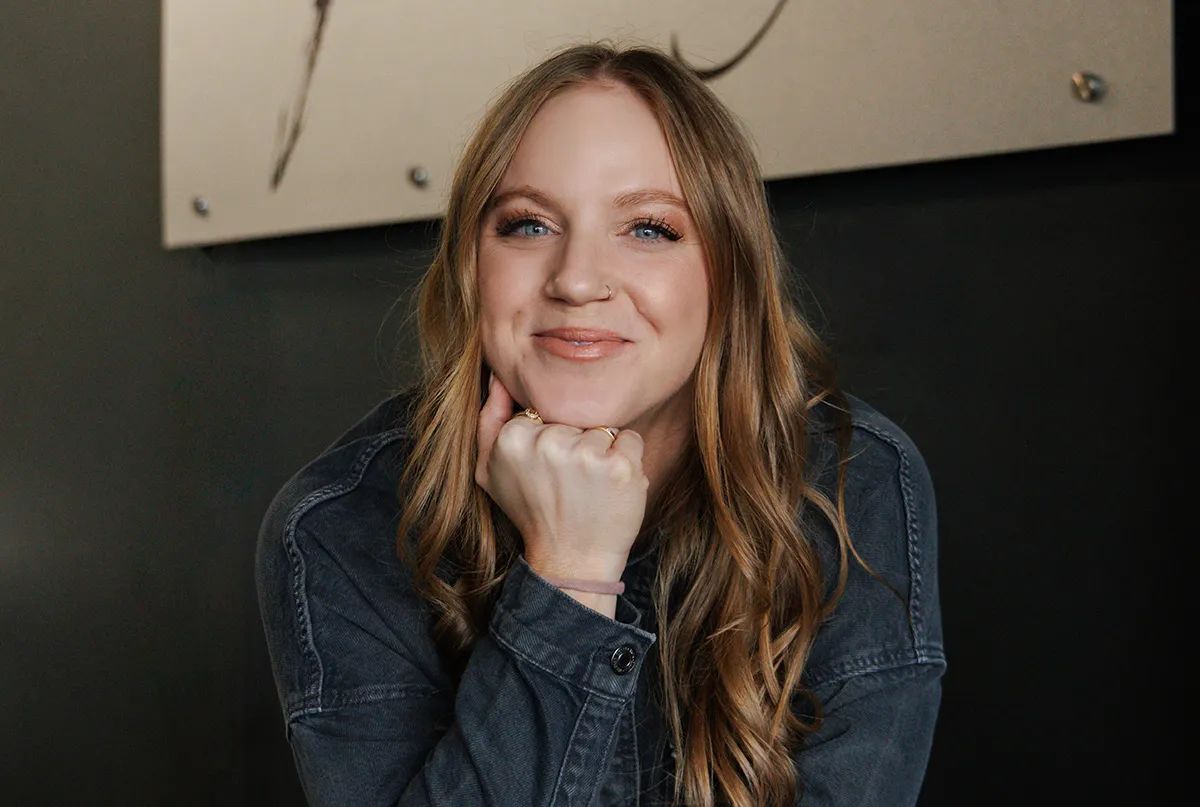
Leah LaGrange on Dance, Purpose, & Choosing Billings
April 2026 | Arts + Entertainment
article by Hannah Olson | photos by Arianna Skoog
Before she could walk, she was dancing. “Pretty much when I first started standing, before I even started walking, I was dancing and grooving,”
Leah LaGrange says with a laugh. By the time she was ten, it wasn’t a hobby or an extracurricular. “By the time I was ten, I knew that’s what I wanted to do for a career. It never wavered.”
For some artists, passion unfolds slowly. For Leah, it was immediate, instinctive, physical, and certain. She grew up in Lafayette, Louisiana, a kid who loved movement and the way it made her feel alive. Competition dance wasn’t always financially accessible, but that didn’t dilute her ambition. She became a national champion on her high school dance team and carried her vision forward with clarity: “I always knew I wanted to own a dance studio; I wanted to be a dancer; I wanted to be a choreographer.” So, she did what dreamers do. She moved to Los Angeles.
THE DREAM & THE DISILLUSIONMENT
“I thought, if I didn’t move to LA and try to dance, I’d regret it,” she remembers telling herself. She went alone. “I knew nobody in LA at all.” For three years, she built a life from the ground up, working in restaurants, babysitting, taking background acting jobs on shows like The Ellen Show and Community, chasing auditions, and enduring rejection. “It took me probably about three years to really get into the groove of things,” she says. Ironically, auditions weren’t where she found her success. “The only things that I really booked were from word of mouth, ‘Oh, she’s actually really talented, let’s hire her on.'"
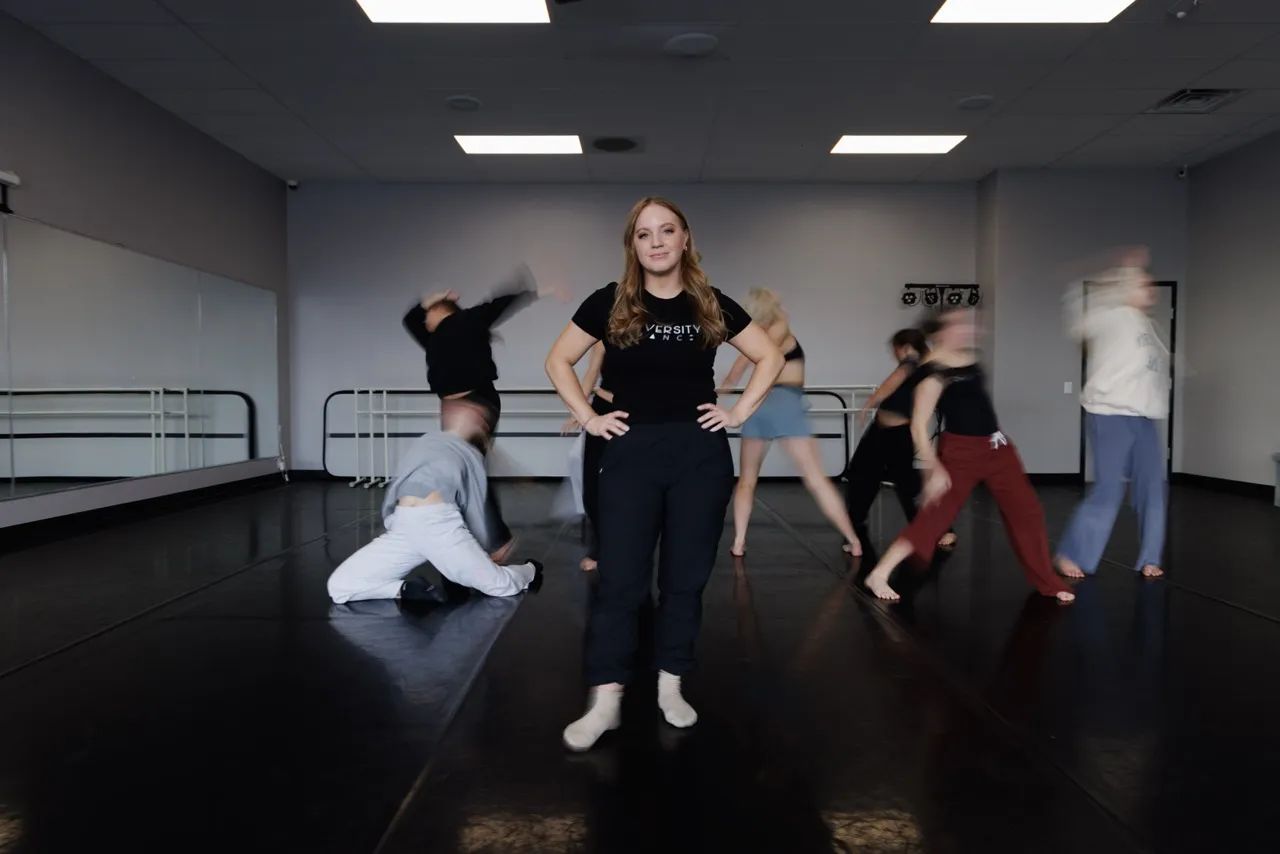
She eventually worked with major artists and brands. She assisted with choreography for Olivia Rodrigo during the surreal early days of the pandemic. She served as the Movement Director for Nike Jordan. She built the kind of résumé young dancers strive to compile. And yet, “I felt like I was living a lie in a way,” she says quietly. “I didn’t feel like I was fulfilling my purpose.”
The industry was political. The grind was relentless. The validation never quite filled the space she expected. “It was cool to be on these sets, but it just didn’t fulfill me like I hoped it would.” For a while, she pushed through the dissonance. But eventually, clarity came. She didn’t want fame. She wanted impact. And impact, she realized, doesn’t always happen on the biggest stages.
WHY BILLINGS
Of all the places a dancer with an LA résumé could land, Billings, Montana, might seem unexpected. But Leah’s move wasn’t about geography. It was about alignment. After reconnecting with a college friend who had relocated here, she began to imagine a different kind of life, one where art wasn’t about access or optics but about community. One where homeownership and stability weren’t out of reach. One where she could build something instead of constantly auditioning for it.
She took a year in her home state of Louisiana to reset and listen to herself. Then she came to Montana. Here, she found something familiar in a new way: grit, loyalty, and families invested in their kids. She found leadership that shared her values. She found space to breathe. And she stepped into her role as Company Director at Diversity Dance Studio.
GOOD HUMANS FIRST, GOOD DANCERS SECOND
Leah teaches five hours a day. She spends four to five additional hours on administration: scheduling, editing music, planning, selecting costumes, and preparing competition logistics. On weekends, she works with private students and travels nationally to choreograph. Her schedule is full, but it’s intentional. “My biggest job beyond just teaching dance is teaching them to be good humans,” she says. “Good human first, good dancer second.”
In a competitive world where trophies can distort perspective, Leah holds a steady course. “It is painful, and it hurts. And you are allowed to be let down,” she tells her dancers after setbacks. “The way you handle that setback and that pain is what’s most important.” She urges them to handle it with grace, respect, and awareness of what’s within their control. “We control what we’re in control of,” she repeats often.
“My biggest job beyond just teaching dance is teaching them to be good humans,” she says.
“Good human first, good dancer second.”
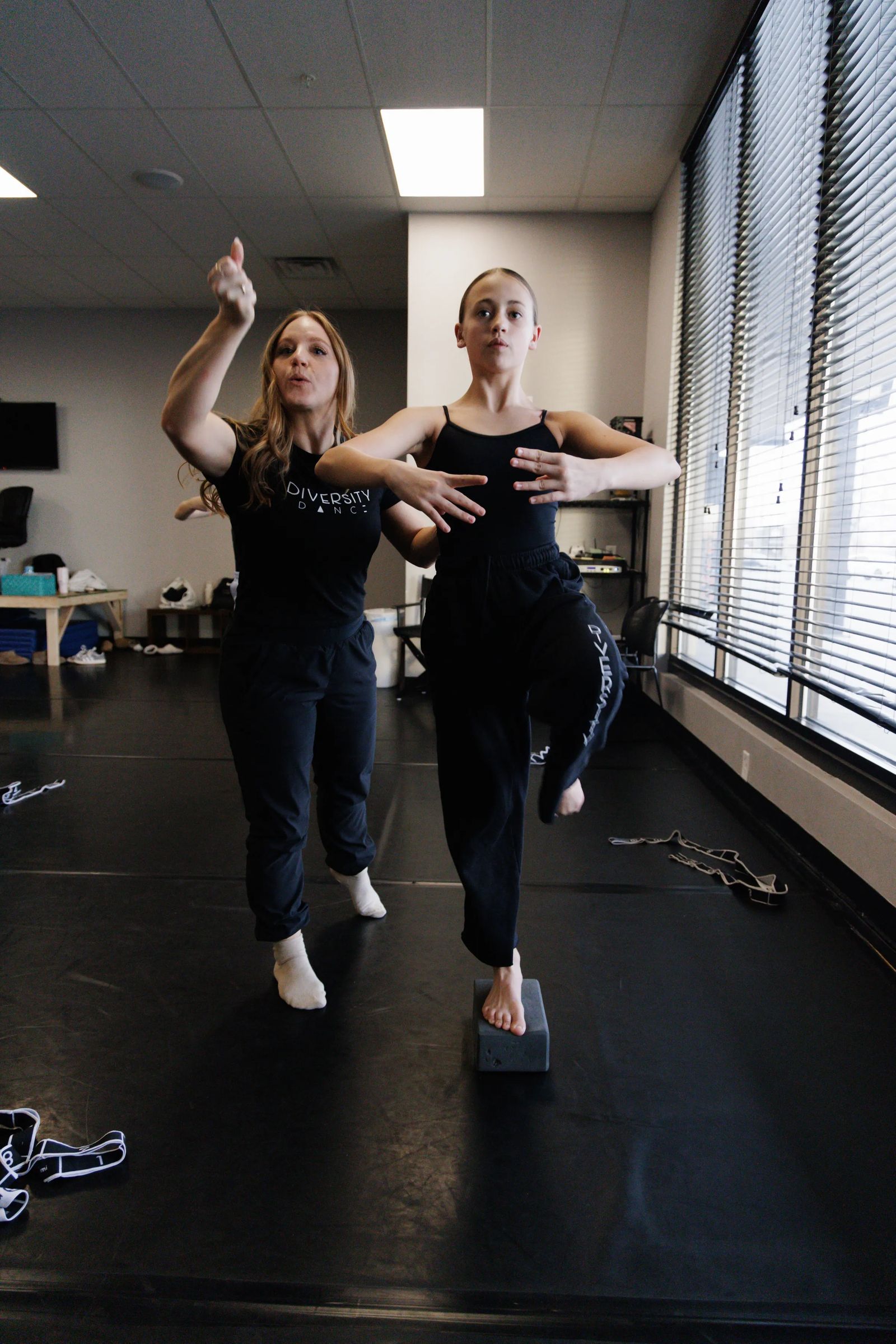
Her studio culture isn’t built on comparison. It’s built on character, discipline, and accountability. In her view, competition should strengthen work ethic, not ego. She encourages her dancers to seek growth wherever they can. For her, dance is bigger than winning. It’s about resilience. It’s about striving with integrity. It’s about becoming the kind of person who works hard, treats others well, and keeps showing up.
ART HEALS
“I think art heals the world,” Leah says simply. It’s not dramatic. It’s declarative. She has seen it happen. Kids who arrive unsure and guarded slowly find their confidence. Students are learning to process disappointment without shrinking from it. Families are forming bonds that extend beyond rehearsal rooms.
“We’re in the trenches together, blood, sweat, and tears,” she says. “That bond is something you can’t really get anywhere else.” She understands the weight of her role. “Their child is a delicate flower in my hands,” she says. “It is a massive responsibility that I don’t take lightly at all.” She laughs easily and admits freely, “I make mistakes constantly, but I’m constantly trying to learn from them.” There’s humility in that and strength.
RAISING A GENERATION THROUGH MOVEMENT
For Leah, dance is not about perfect pirouettes. It’s about resilience, communication, self-advocacy, and emotional intelligence. “I try to stay as open and safe as I can so they feel like they can advocate for themselves,” she says. Her dancers learn discipline, accountability, and how to celebrate others even when it hurts. Eventually, she tells them, “Your time will come. It may not look the way you wanted it to.” That’s not just choreography. That’s life.
THE IMPACT
Leah could have stayed in LA. She could still be assisting major artists and building commercial credits. Instead, she chose Billings. She chose kids who will remember the woman who taught them not only how to perform but also how to show up. She chose families who trust her with their children. She chose a community that might not have Los Angeles's scale but has something just as powerful: connection.
“We’re just teaching dance,” she says with perspective. “It’s not that serious.” She doesn’t mean it doesn’t matter. She means it isn’t about ego or headlines. It’s about learning to fall short and try again. And anyone who has watched a young dancer find her confidence knows it is serious in the ways that count. It shapes lives.
Art heals, and sometimes the most powerful stages aren’t in Los Angeles. They’re in local dance studios, where a teacher who once chased the Hollywood dream now pours everything she’s learned into the next generation. Good humans first. Good dancers second. She’s still dancing. Only now, she’s teaching others how to stand first. And that’s the kind of legacy that lasts longer than applause.
Originally printed in the April 2026 issue of Simply Local Magazine
Check this article out in the digital issue of Simply Local here!


