
Montana’s Living Waters
August 2026
Article and photos by Jessica Plance
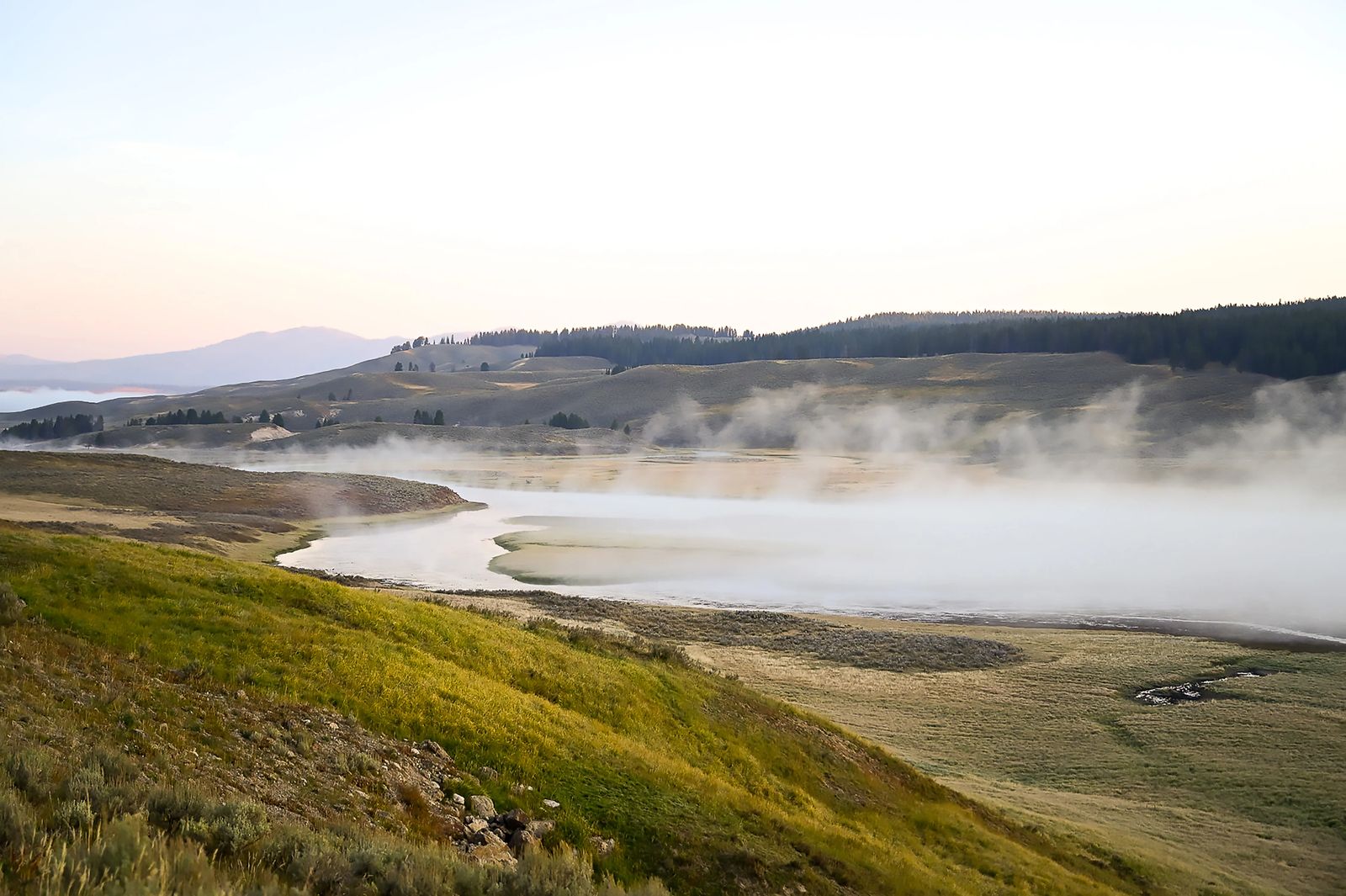
Few experiences feel more distinctly Montanan than discovering a plume of steam rising from a mountainside on a chilly morning. Whether tucked into a river canyon, bubbling from a meadow, or developed into a resort destination, hot springs have drawn people to Montana for thousands of years.
Long before they became vacation destinations, hot springs served as gathering places for generations of people who recognized both their practical and cultural significance. Today, visitors continue to seek them out for relaxation and recreation. But beneath the warm water lies a fascinating geological story and a surprising connection to some of the smallest forms of life on Earth.
Montana's Underground Plumbing System
The presence of hot springs often leads people to assume that Montana sits atop active volcanoes, as in Iceland. While nearby Yellowstone National Park owes its geothermal activity to a massive volcanic hotspot, most of Montana's hot springs form through a different process.
The recipe begins with precipitation. Rain and snowmelt seep into fractures and cracks in the earth's surface, sometimes traveling thousands of feet underground. As the water descends, temperatures naturally increase. Geologists call this the geothermal gradient; the deeper you go, the warmer the surrounding rock becomes.
In Montana's mountainous regions, networks of faults and fractures act like underground plumbing systems. Water travels downward through these cracks, heats up as it encounters warmer rock, and then rises back toward the surface under pressure. When that heated groundwater finds an escape route, a hot spring is born.
The process can take decades, centuries, or even longer. By the time the water reaches the surface, it often carries dissolved minerals gathered from the rocks it encountered along its journey. Those minerals help create the distinctive colors, formations, and chemical characteristics that make each spring unique.
A Landscape Written in Stone
Montana's geology plays a major role in determining where hot springs appear. Many springs occur near fault zones, where ancient tectonic forces fractured the Earth's crust. These faults create pathways that allow groundwater to circulate deep underground and return to the surface.
In southwestern Montana, particularly around the Madison, Jefferson, and Gallatin river valleys, fault systems associated with the northern Rocky Mountains have created ideal conditions for geothermal activity. The region hosts some of the state's most famous springs, including developed soaking destinations and remote natural pools.
As mineral-rich water emerges, it leaves traces of its journey. Calcium carbonate can accumulate into terraces and deposits known as travertine. Other minerals stain rocks in shades of orange, yellow, green, and white. Over thousands of years, these deposits can dramatically alter the surrounding landscape. The result is a constantly evolving environment where geology remains actively at work.
Tiny Organisms, Big Impacts
While the steaming water may seem inhospitable, hot springs are surprisingly rich ecosystems. Many springs contain communities of thermophiles, microorganisms specially adapted to live in extreme heat. Some thrive in water temperatures exceeding 160 degrees Fahrenheit.
These organisms are among Earth's most remarkable life forms. Scientists believe similar microbes may resemble some of the earliest known life forms in Earth's fossil record.
Thermophiles often create colorful mats that line spring channels and pools. The bright orange, green, yellow, and brown bands sometimes visible around hot springs are frequently biological communities rather than mineral stains alone.
These microbial ecosystems perform essential functions. They cycle nutrients, influence water chemistry, and form the foundation of specialized food webs. Some microorganisms found in hot springs have even contributed to major scientific breakthroughs.
One famous example comes from thermophilic bacteria discovered in Yellowstone's geothermal features. Enzymes isolated from these microbes have become essential tools in modern DNA analysis and genetic research, helping make technologies such as PCR possible.
Hot Springs and Wildlife
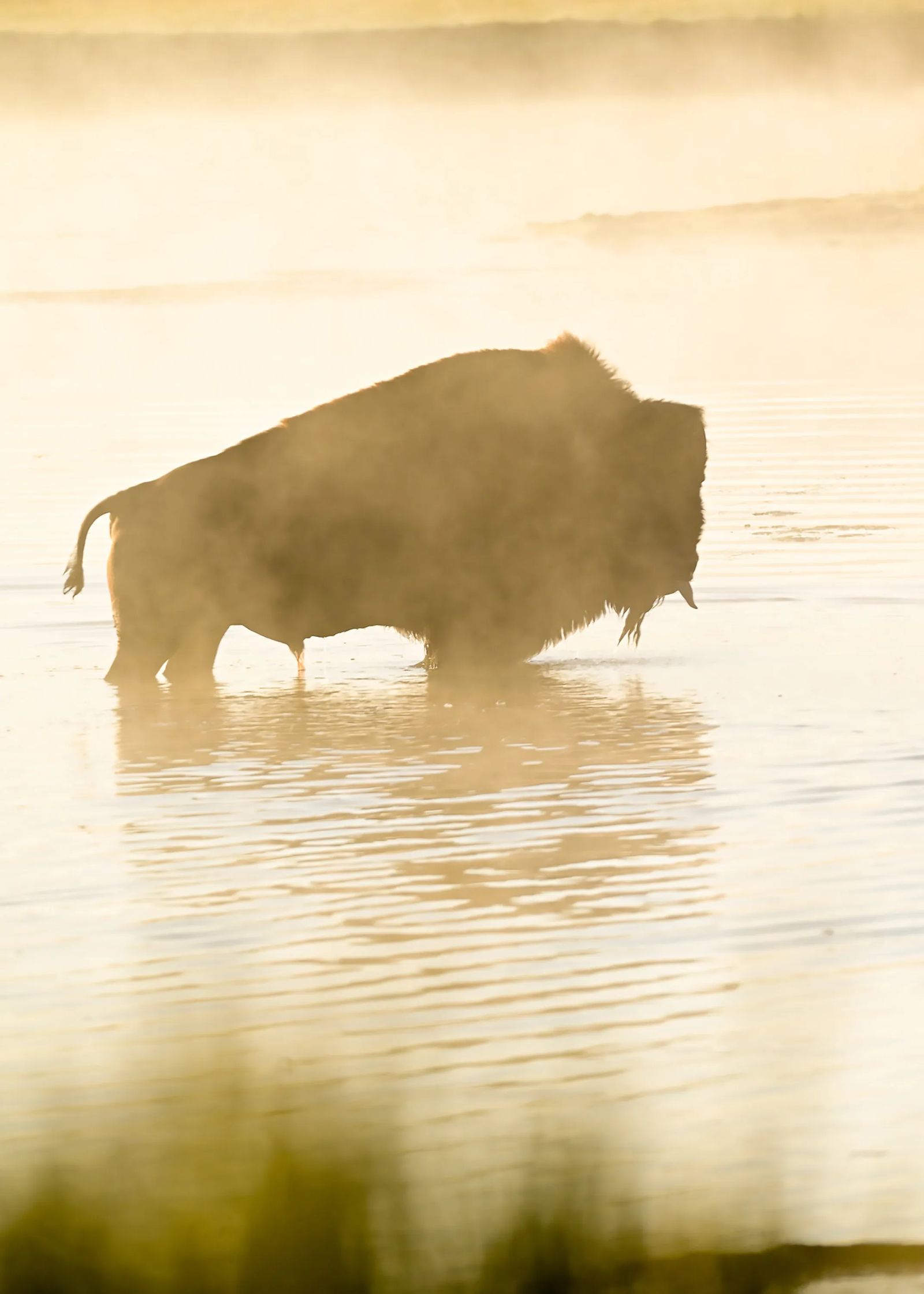
The influence of hot springs extends beyond microbes. Because geothermal waters remain warm throughout winter, they can create unique habitats for plants and animals. Snow often melts earlier around springs, exposing vegetation that may be unavailable elsewhere during colder months.
Birds frequently congregate near geothermal areas where open water remains accessible. Certain insects are adapted specifically to warm-water environments. In some locations, distinctive plant communities develop around mineral-rich soils influenced by geothermal activity.
These ecological niches add diversity to Montana's landscapes and provide researchers with valuable opportunities to study adaptation and resilience.
A Fragile Balance
The same qualities that make hot springs fascinating also make them vulnerable. Many geothermal ecosystems are surprisingly delicate. A single footprint can damage microbial mats that may take decades, or even centuries, to recover. Introducing soaps, sunscreen, food waste, or other contaminants can alter water chemistry and threaten sensitive organisms.
Growing numbers of visitors have created new stewardship challenges. Those seeking secluded experiences sometimes unknowingly trample fragile habitats or wander off-path in ways that accelerate erosion.
Scientists continue to study how shifting weather patterns, groundwater use, and human activity may affect geothermal systems in the future. Because hot springs rely on complex underground water cycles, changes to precipitation patterns and aquifer recharge could influence their long-term health.
For visitors, the best approach is simple: stay on designated trails, observe posted closures, and treat hot springs as living ecosystems rather than merely scenic attractions.
Originally printed in the August 2026 issue of Simply Local Magazine
Never miss an issue, check out SLM's digital editions here!


