Giving Children a Healthy Start
February 2026 | education + family
article by Stephanie Hobby | photos courtesy of Head Start
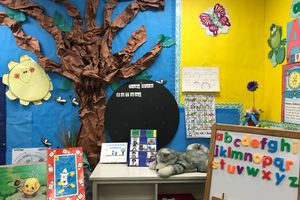
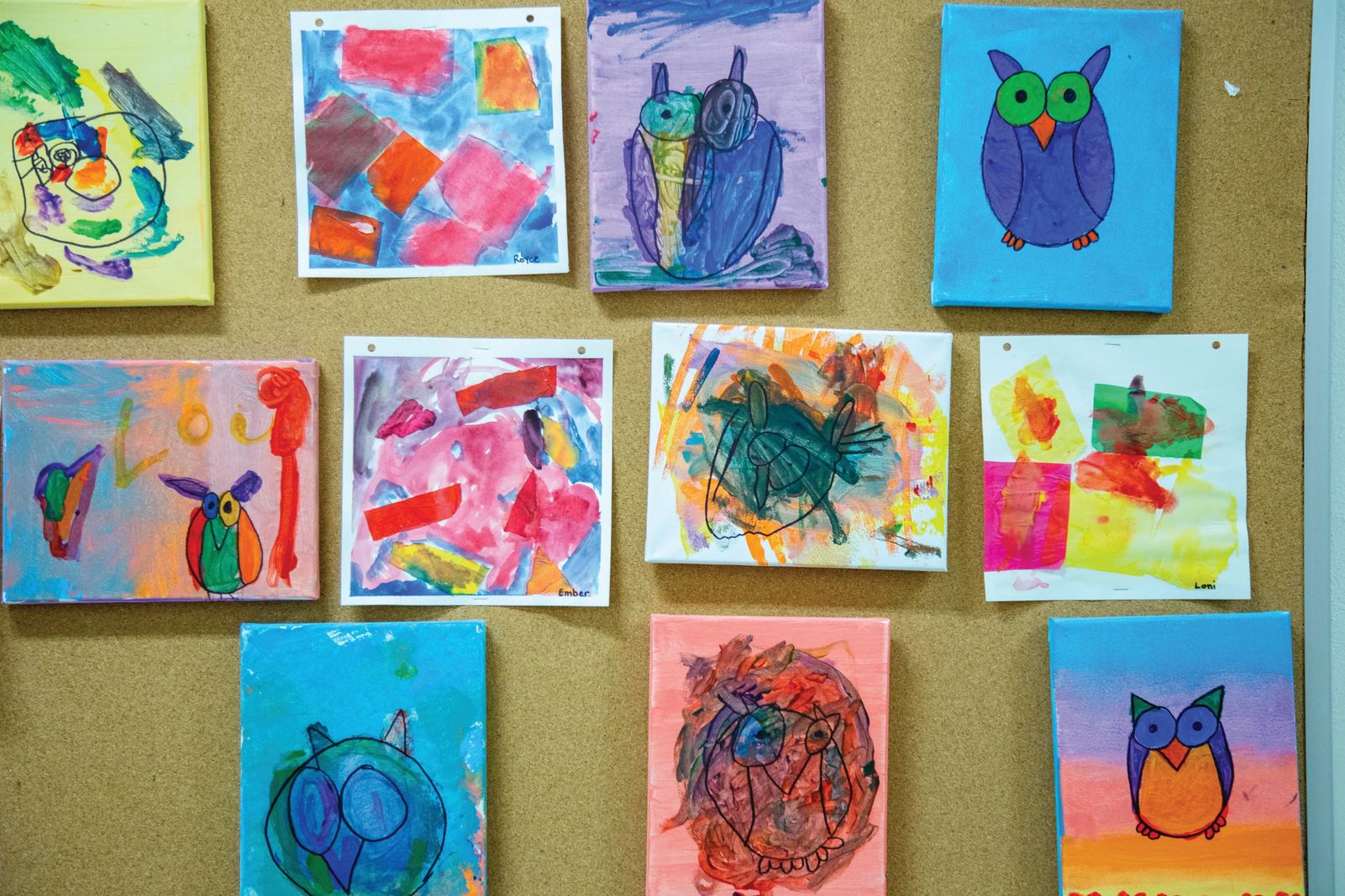
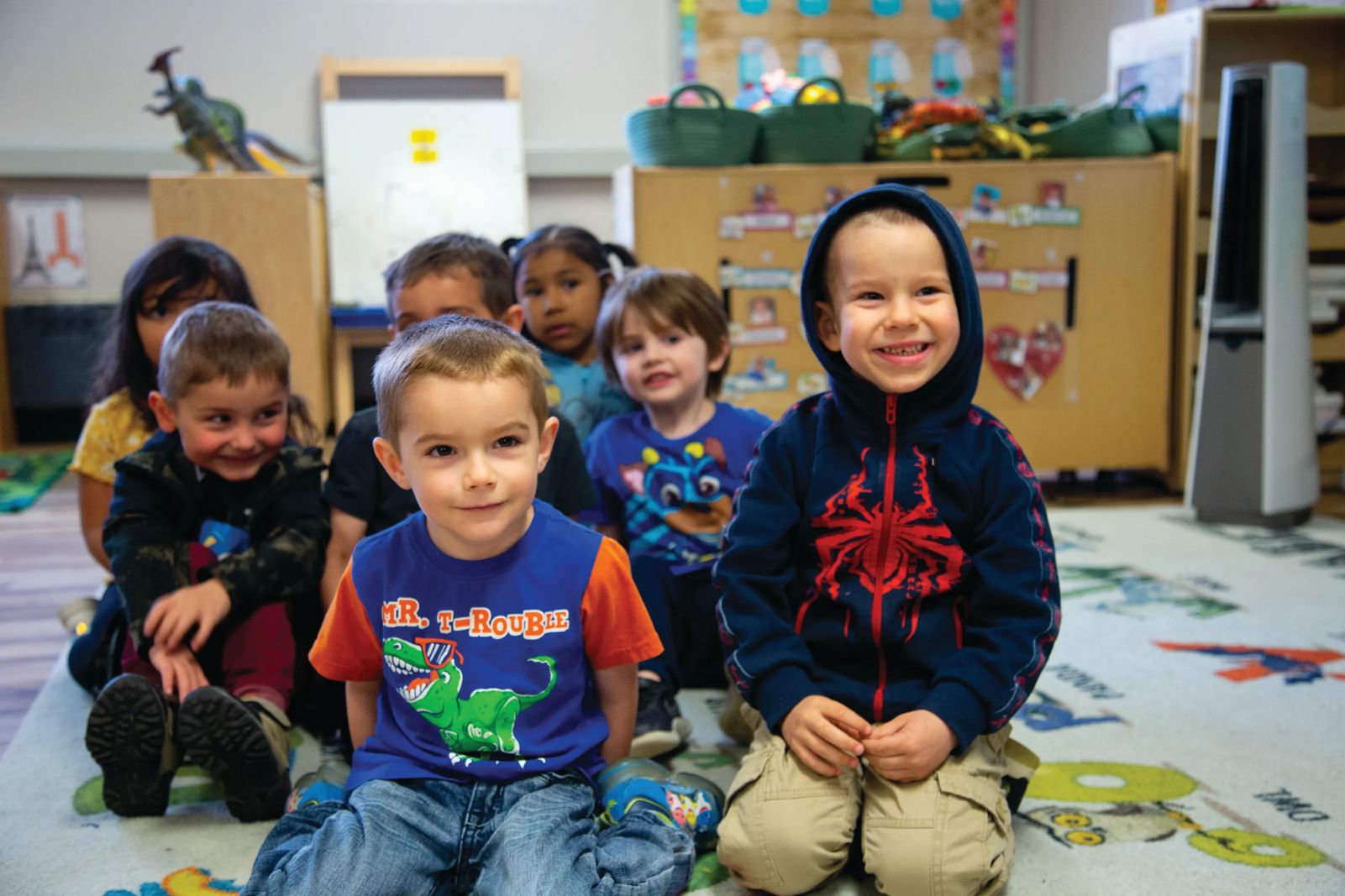
Walk the halls, and you’ll see walls adorned with children’s artwork and lined with racks of storybooks, and you’ll hear the joyful sounds of young children actively learning. It is like most other preschools you’ll find, but one thing sets this school apart. Head Start has provided our community’s youngest and most vulnerable residents with a solid foundation for the past 54 years. Serving 200 students every year across three campuses, one in North Park, another in Lockwood, and AWARE on the West End, Head Start has been teaching foundational skills to its students, setting them up for a lifetime of success.
Early childhood is arguably the most important developmental stage across the human lifespan. Until age five, those little brains form a stunning 700 neural connections every minute, and those connections set the path for the life ahead of them. A little over six percent of Billings’ population is in this crucial life stage, so providing outstanding educational opportunities for every child is not only good for families but also for the community as a whole.
“We talk about love, connection, acceptance, safety, and meeting those basic needs.” From there, the brain can develop cognitive, problem-solving, and motor skills. Science indicates the brain slows development around age six, making these years crucial for a child's development and for setting the child up for success beyond early childhood, according to Janice King, executive director of Billings’ Head Start, who is in her 20th year with the program.
Head Start enrolls children as young as three. For those struggling to meet developmental milestones, it serves as a crucial bridge, particularly by fostering communication skills, progressing to social and emotional skills such as processing their feelings in healthy ways, and ultimately emphasizing kindergarten readiness.
As a federally funded organization established during President Lyndon Johnson’s War on Poverty, Head Start is required to incorporate evidence-based, proven curriculum. In Billings, King says they draw from several curricula throughout the day, with the main focus on the Creative Curriculum, emphasizing real-life, tangible experiences relevant to every child. For example, there are learning units on topics such as bread, gardening, streets, and buildings.
Routine is essential for children at this stage, and King says their day is organized by rituals, starting with a classroom welcome at drop-off and a safe-keeper ritual for students and teachers to commit to being safe in the classroom. Every day, students and staff participate in a family-style breakfast, where children learn to pour milk, pass food, and engage in conversation. Their day also involves learning centers and outdoor exercise to build motor skills.
Head Start recognizes the broader impact of a child’s well-being on an entire community, and seeks to build a stable foundation for each student. “These are children that are coming from backgrounds where the odds are stacked against them,” King said. “We’re seeing mental health and substance misuse and domestic violence, and an increasing number of children in foster care. Those are the children that we’re really seeking out to serve and provide a nice, stable, warm, loving environment, and full-day care that is safe.”
Each family within the Head Start community is assigned to one of six family service workers, who conduct assessments on a family’s strengths and needs and work to support each family’s goals, whether it be helping with transportation for groceries or appointments, or, as King remembers once, delivering a washer and dryer. “We do everything we can to meet the family’s needs and make sure they’re connected to resources that will stay consistent in their lives.”
“Another growing piece of our services is our mental and behavioral health services,” King said. In the past, maybe one or two children in a classroom would need extra support around mental or behavioral health. Today, those numbers have increased, with one teacher estimating that nearly half of her students need such services.
King and her team are developing that area and working with a health services manager who oversees child development, disability services, and health services. Each child is screened for cognitive development, speech and language, and hearing and vision. The health services manager leads a team of three behavioral health specialists who work across classrooms to address behavioral needs and support teachers and students. They partner with a master’s student from MSU-Billings who is working toward full licensure and earning her hours while serving Head Start students. MSU-B and Rocky Mountain College support Head Start through a variety of services, including nursing, psychology, education, family services, speech-language therapy, and occupational therapy.
These partnerships and community support are vital; 80% of funding comes from the federal government, while local organizations are responsible for raising the remaining 20%. In-kind donations of goods and services go a long way. “It’s a great help, and we just really value their contributions,” King said.
For more information, or to support Head Start in Billings, visit Head Start.
Originally printed in the February 2026 issue of Simply Local Magazine
Check this article out in the digital issue of Simply Local here!