
The Voice That Chose to Begin Again
August 2026
Article by Hannah Olson
Photos courtesy of Elana Hayden
At 59 years old, Elana Hayden packed everything she owned into a Honda Fit. A microphone. A few pieces of music gear. One houseplant she refused to leave behind. Her eleven-year-old cat, Lulu. The rest she donated, sold, or gave away.
Then she pointed the car west and drove three days across the country, alone. No job waiting for her. No steady performances lined up. No carefully mapped five-year plan. She knew exactly one person in Billings. "People kept asking me what I was going to do," she says with a laugh. "I didn't know. And honestly, I wasn't anxious about it. It was kind of liberating."
For most people, that kind of leap belongs to their twenties; the season of chasing dreams and trusting that things will somehow work out. Elana had already lived several careers. Decades in New York as a performer, session singer, songwriter, producer, voice actor, educator, and business leader. She'd sung with legendary musicians, recorded demos that would later become hit songs, written music for television and radio, and directed one of the country's most successful Bach to Rock music schools. She'd built the kind of résumé most musicians spend a lifetime trying to assemble.
She could have stayed exactly where she was. Instead, she chose to begin again. "I completely reinvented myself."
A Career Built on Saying Yes
Music has never been something Elana simply did. It's always been the way she moves through the world. She played her first public gig around age eleven, singing folk songs in Long Island coffeehouses while accompanying herself on guitar. Her father, a theater professor, taught her what she affectionately calls "cowboy chords." Her mother came from a musical family with a beautiful singing voice. Elana studied musical theatre in college, but she never had the kind of formal musical training many people assume comes with a professional career. "I never really formally studied music," she says. "It was more on-the-job training."
That education came from saying yes. She joined bands in middle school, dreaming of becoming Stevie Nicks while singing everything from Santana to the Rolling Stones. She learned just enough music theory to survive rehearsals with highly trained musicians, and quickly realized that versatility would become her greatest asset. One day she might be asked to sound like Whitney Houston, the next Pat Benatar, then Aretha Franklin or Olivia Newton-John. Rather than settling into one musical lane, she embraced all of them. "I didn't want to be pigeonholed."
That adaptability opened doors few singers ever see. As one of New York's most sought-after session vocalists, Elana recorded demos for major publishing companies before artists ever set foot in the studio, including Taylor Dayne's "Tell It to My Heart." "When I hear the recording now," she says with a smile, "I think, 'Damn, that could have been me.”
Over the years, she built an extraordinary career behind the scenes, lending her voice to commercials, radio spots, films, and recordings, sharing stages and studios with artists connected to Billy Joel, Aretha Franklin, Steely Dan, Patti LaBelle, Willie Nelson, and The Pointer Sisters, among many others. Yet she speaks far less about brushes with celebrity than she does about the work itself. For nearly thirty years, she performed weddings and club dates while raising her daughter as a single mother, grateful that music let her support her family without missing the moments that mattered most.
Reinvention Wasn't the End. It Was the Beginning.
The next chapter arrived unexpectedly. What she assumed would be a teaching position at a Long Island music school quickly became something much larger. Within a year, ownership handed her the keys to the entire operation. "Don't screw it up," she laughs, remembering the mantra she repeated to herself every morning.
She didn't. Under her leadership, the school grew into one of the highest-performing Bach to Rock franchises in the country, serving roughly 500 students. She compares those years to earning an MBA she never expected to pursue.
Then COVID changed everything. She fought to keep the school open, believing kids needed music and community more than ever. But by the time the world reopened, she knew the season had come to an end.
"Although we implemented online music lessons using the Zoom platform, it proved to be very challenging. The kids were getting frustrated and depressed," she says. "Music is a collaborative art; it's meant to be face-to-face."
Around the same time, her longtime musical collaborator and partner, bassist Mike Leslie, had returned to his hometown of Billings. Elana looked around at the life she'd built, looked ahead at the life she still wanted, and decided it was time for one more leap. "Worst-case scenario," she remembers thinking, "I turn around and drive home." She never did.
Building a Music Community
When Elana arrived in Billings in the fall of 2022, she wasn't waiting to be discovered. She started attending jam sessions, introducing herself to musicians, emailing restaurants and wineries, calling venues, and following up when she didn't hear back. She jokes that she often booked performances before she'd even assembled the band that would play them. "I'd book a gig and then think, 'Okay… now I need a band.'"
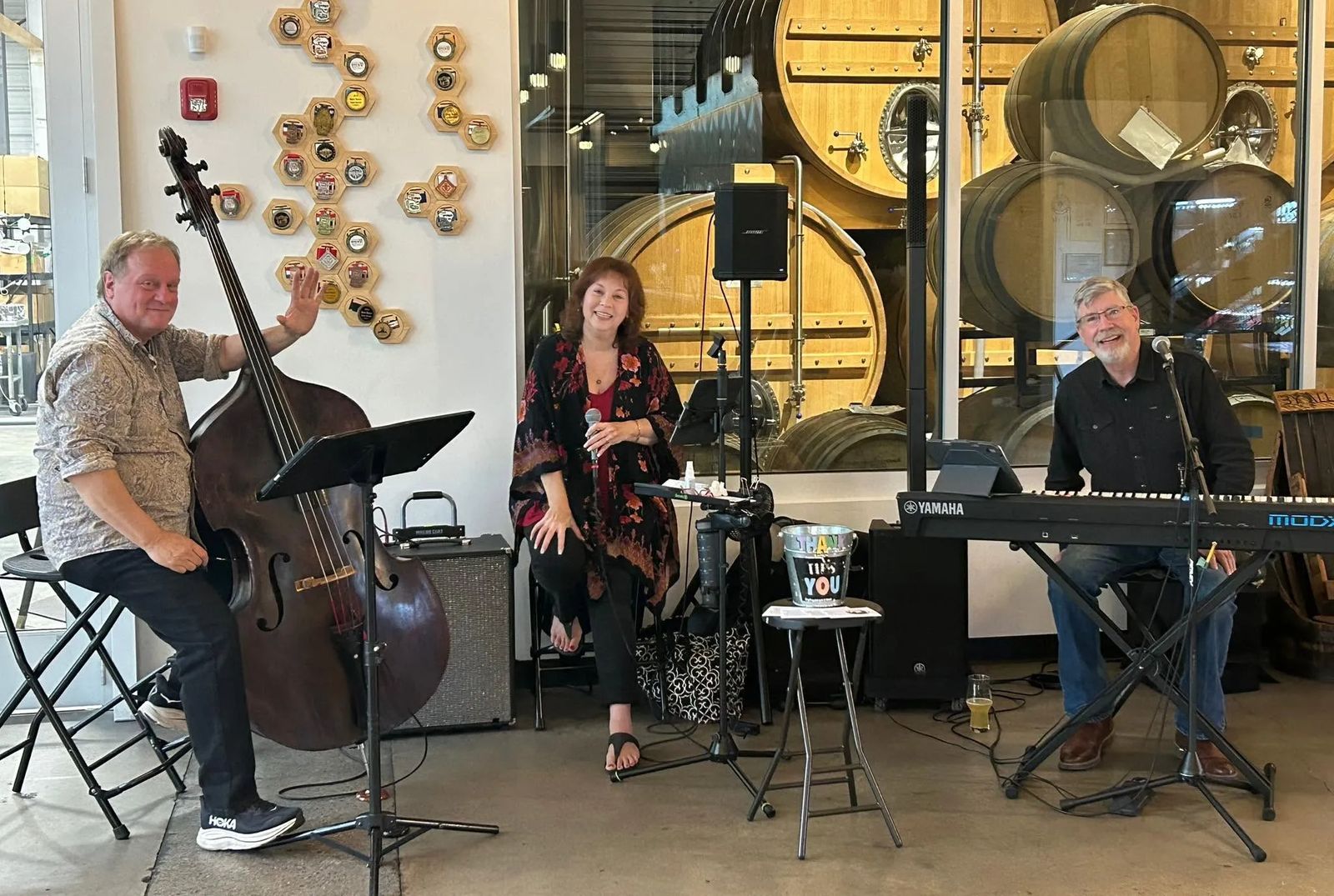
Those early relationships became the foundation for everything that followed. Mike Leslie introduced her to musicians across the region. Lloyd Marsh invited her to play her first gig in Montana. Pianist Joe Sullivan became one of her closest collaborators, helping establish her in Billings' jazz community. Before long, she wasn't simply performing; she was creating opportunities.
Last year alone, Elana performed 86 shows across Montana and northern Wyoming. But she sees those performances differently than most people might. "I'm creating gigs," she says. "I'm creating jobs."
Rather than working with one permanent band, she builds ensembles for each performance, matching musicians to venues, audiences, and events. She hires local players, introduces younger artists to new audiences, and looks for chances to elevate others along the way. When she met promising young vocalist Juliette Angelo, she didn't see competition; she saw possibility. "I wanted her to experience what it feels like to play with a band, so I invited her to ‘sit in’ on a few of my gigs."
That generosity surfaces in every conversation with Elana. She promotes the restaurants that hire her because she genuinely wants them to succeed. She plays non-profit fundraisers. She recommends other musicians when they're a better fit than she is. She believes relationships matter more than transactions, and that every thriving music scene depends on people willing to invest in one another. "I love to network because you never know what you can do for someone or what they might do for you," she says. "It's collaborative."
She's just as passionate about respecting the profession itself. Too often, she says, audiences see only the two hours on stage, not the rehearsals, travel, setup, teardown, promotion, and decades of experience that make those two hours possible. "People spend decades honing their craft," she says. "You're paying for quality and professionalism."
Leaving More Than Music Behind
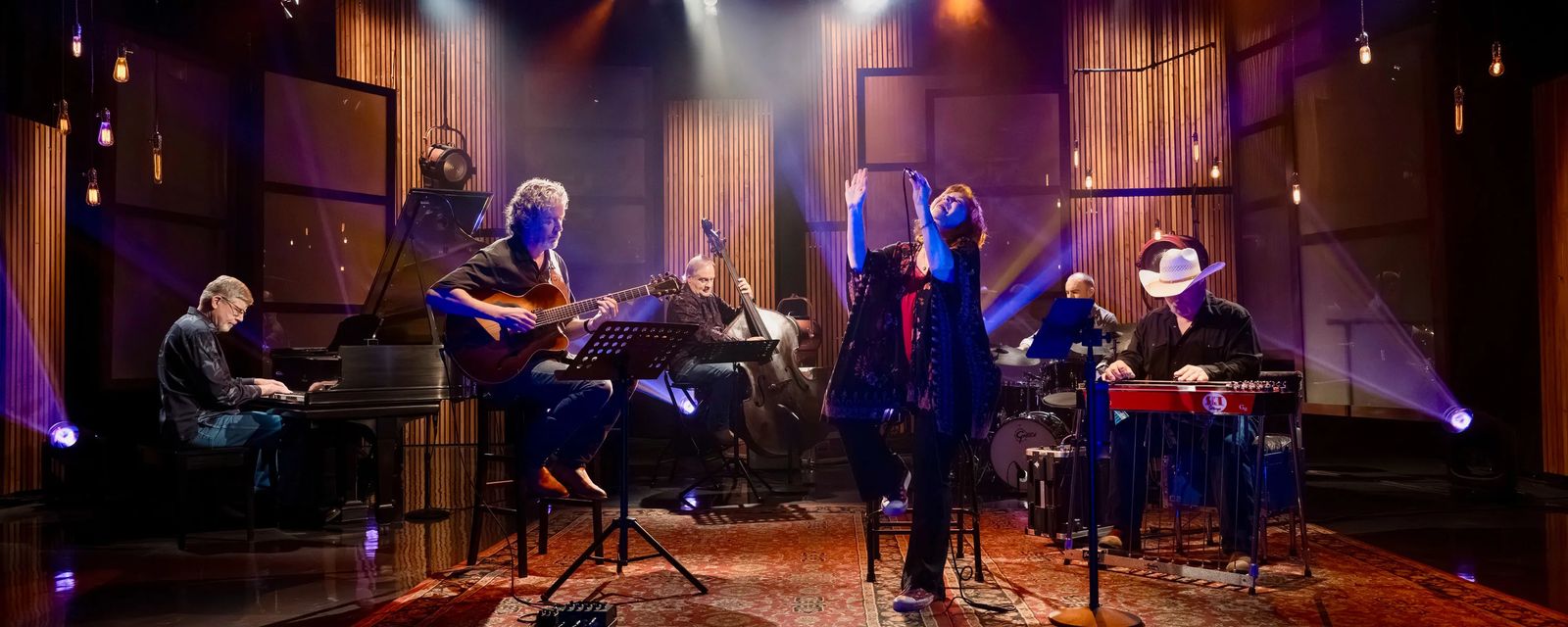
Today, Elana still proudly sounds like a New Yorker, and people smile when she orders her "cawfee" in her signature accent. After appearing on the Emmy-winning Montana PBS series 11th & Grant with Eric Funk, she's occasionally recognized by strangers in grocery stores, an experience she laughs about, though beneath the humor is genuine gratitude.
She loves the warmth she's found in Montana. She loves the musicians who welcomed her, the venues willing to take a chance on someone new, and the audiences who've embraced jazz and the Great American Songbook. Most of all, she loves that this chapter has become about more than performing.
If music has taught Elana anything, it's that success isn't measured by how brightly one person shines. It's measured by how many others shine because they crossed your path.
That philosophy echoes one of the most enduring truths in music history. As Louis Armstrong put it, "Musicians don't retire; they stop when there's no more music in them." There is still plenty of music in Elana Hayden.
And if you haven't heard her sing yet, chances are you will. You'll remember the voice, of course. It’s powerful, polished, unmistakable. But what will linger long after the last note fades is something even rarer: the way she leaves every room, every stage, and every community a little stronger than she found it.
Originally printed in the August 2026 issue of Simply Local Magazine
Never miss an issue, check out SLM's digital editions here!


