
Before the Gates Open
August 2026
Article by Hannah Olson
Photos courtesy of MontanaFair
Before the first corndog is dipped in batter, before the first carnival ride begins to spin, before the grandstand fills with cheering fans or kids race for the midway, MontanaFair has already been in the making for well over a year.
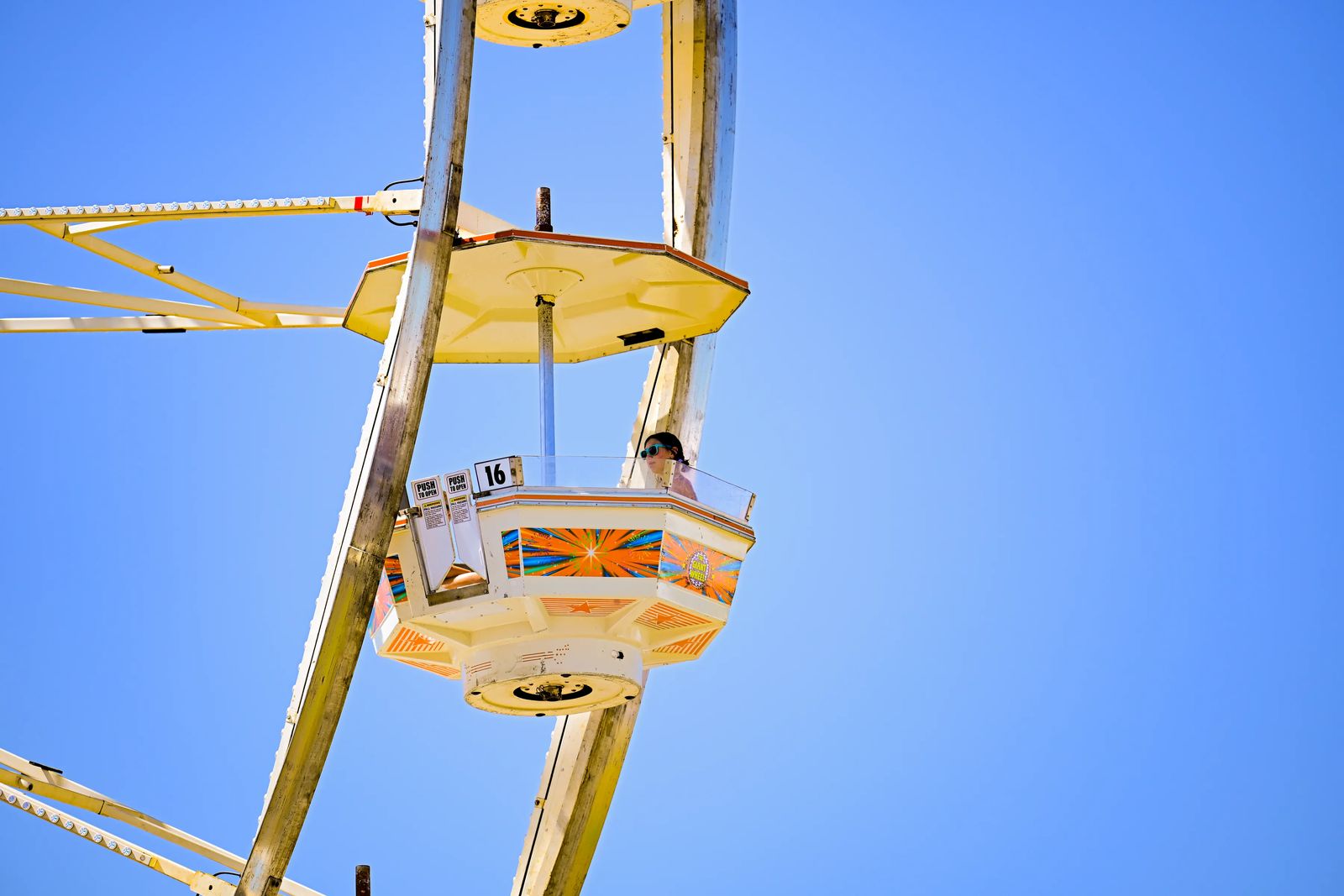
For nine days each August, it all feels effortless. Families wander the grounds with funnel cakes in hand. Livestock fills the barns. National touring artists take the stage. Local artists proudly display quilts, paintings, baked goods, and photography they've spent months creating. The rodeo arena comes alive each night, and the midway glows long after sunset.
What fairgoers never see is everything that happens before the gates open. Behind Montana's largest annual event is a year-round team of 42 full-time employees who operate the state's largest event venue, coordinate hundreds of events each year, and transform MetraPark into a place that welcomes nearly a quarter million visitors every August. For them, the fair isn't a weeklong celebration. "We're usually about a year ahead," says Cody Reitz, Marketing & Sales Director for MetraPark. "In June, we're already working on 2027."
That reality surprises most people. While visitors debate which concert to catch or which food stand to hit first, Reitz, Marketing Coordinator Liz Arlian, and their team are attending national conventions, meeting with promoters, negotiating contracts, and building relationships that will shape fairs for years to come.
More Than Booking a Concert
One of the biggest misconceptions about MontanaFair, Reitz says, is how the entertainment comes together. Many assume it's as simple as calling a popular artist and booking a date. In reality, every performance is the result of an intricate puzzle involving budgets, tour routing, availability, market size, promoters, and dozens of logistical details invisible to the public. "They're not routed. They're not tour dates," Reitz explains of many fair performers. "They literally fly in for our show, and then they fly out."
Billings sits in what the entertainment industry calls a tertiary market, competing with larger cities like Denver, Minneapolis, Seattle, and Boise while sharing routing opportunities with communities across the northern Rockies. Bringing nationally recognized artists to town often takes as much creativity as persistence. "People are spending their hard-earned money and their time with us," Reitz says. "We want to make that the best experience possible."
This year's lineup reflects that balance: alternative rock artist YUNGBLUD, the high-energy arena rock tribute Hairball, and Grammy-winning Christian artist TobyMac, alongside Rodeo Billings, family entertainment, and dozens of attractions across the grounds.
Nine Days Built by an Entire Community
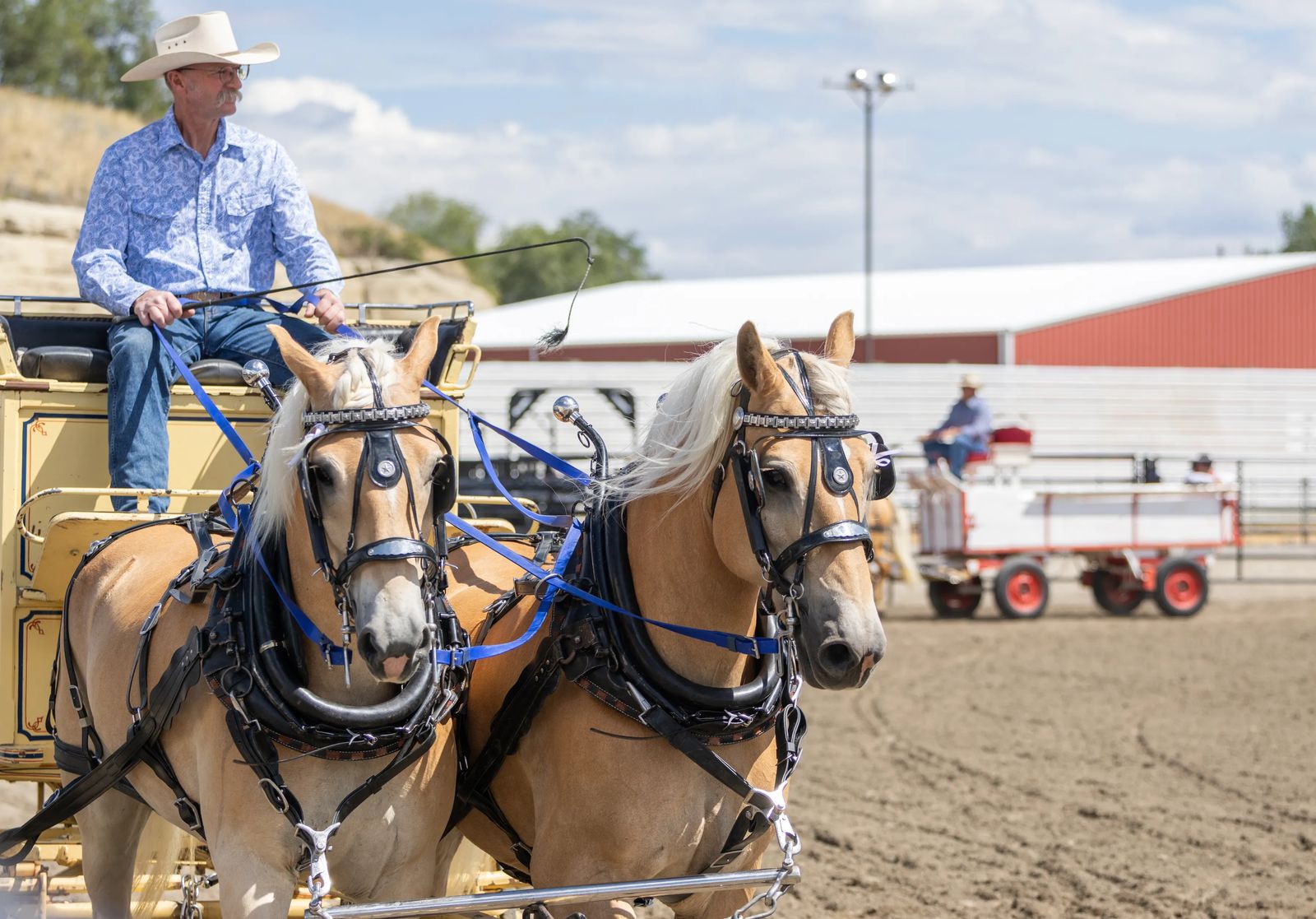
Concerts and carnival rides grab the headlines, but MontanaFair has always been rooted in agriculture. Now celebrating its 111th year, it remains a place where generations of Montana families gather to showcase livestock they've spent months raising, enter artwork they've painstakingly created, and carry on traditions that stretch back decades. Some families have exhibited animals through four generations, with great-grandparents once walking where great-grandchildren now proudly show their projects.
Competitive exhibits remain one of the fair's most cherished traditions, filling display halls with paintings, photography, quilts, woodworking, baking, floral arrangements, crafts, and countless examples of Montana creativity. This year, those exhibits get their own spotlight during a special Exhibitor Reception on August 1, where the public can preview artwork, meet exhibitors, and even purchase select pieces before the fair officially opens.
For Arlian, those exhibits represent something much larger than ribbons. "It's crazy what happens in those nine days," she says.
That statement extends well beyond the exhibit halls. It covers the volunteers directing guests through parking lots, maintenance crews converting buildings overnight, vendors preparing thousands of meals, carnival workers assembling rides, livestock judges, entertainers, nonprofit organizations, and seasonal employees who temporarily swell MetraPark's workforce by more than 120 people. "We're small but mighty," Arlian says.
More Than a Fairground
To many Billings residents, MetraPark is synonymous with MontanaFair. But for the people who work there, the fair is just one chapter in a much bigger story. Throughout the year, the campus hosts everything from trade shows and sporting events to graduations, dance competitions, livestock sales, conventions, fundraisers, concerts, and community gatherings. Every building has to serve multiple purposes because every square foot matters.
"Everything we do has to be multipurpose," Reitz says. That philosophy extends to recent facility improvements, including the Outdoor Arena, now home to Rodeo Billings. Contrary to common assumption, Reitz notes the arena wasn't built with taxpayer dollars, but with revenue generated by MetraPark's own operations and reinvested in the facility.
That reinvestment matters because MetraPark's impact extends far beyond its gates. The venue generates roughly $110.7 million annually for the Yellowstone County economy and $177 million statewide, supporting hotels, restaurants, retail businesses, transportation, tourism, and hundreds of jobs across the region. During MontanaFair alone, about 32 percent of attendees travel from outside Yellowstone County, filling hotel rooms, eating at local restaurants, shopping downtown, and fueling up before heading home. Even the Thomas Carnival contributes to the local economy, employing more than 100 workers during its stay, buying supplies locally, and purchasing 4-H livestock at the fair each year. "All that revenue from the fair goes back into this whole facility," Reitz explains.
Creating Memories That Last
For Arlian, the most rewarding part of the job isn't measured in attendance numbers or ticket sales. It's watching traditions continue. She remembers coming to MontanaFair as a child. Today, she watches parents who once attended with their own families bring their kids and grandkids through the gates, starting a new generation of memories. "People have come since they were little and now they're adults bringing their own kids," she says.
That continuity is something both she and Reitz speak about with obvious pride. They know most visitors never think about the months of planning, the logistics, or the people working behind the scenes to make it all run smoothly. When something feels effortless, it usually means an extraordinary amount of work went into it beforehand.
"We're here because we like it and we love it," Arlian says. "It's meaningful work for us to give back to the community." Reitz agrees. Even after months of planning, long days, changing schedules, and unexpected challenges, he says the reward is watching families make memories together. "Even on our worst day here, it's still a pretty good day because of the way we get to affect people in a positive way," he says.
So this August, whether you're there for the concerts, the rodeo, the livestock barns, the carnival, the quilts, or the cinnamon rolls, remember: MontanaFair doesn't just appear every summer. It's built, piece by piece, by a small team that spends all year creating nine unforgettable days for the community they call home. That's worth celebrating just as much as the fair itself.
Originally printed in the August 2026 issue of Simply Local Magazine
Never miss an issue, check out SLM's digital editions here!


