
A Stress-Free Halloween for Pets and Parents
October 2026
Article by Kara Schwalbe
Photos by Arianna Skoog
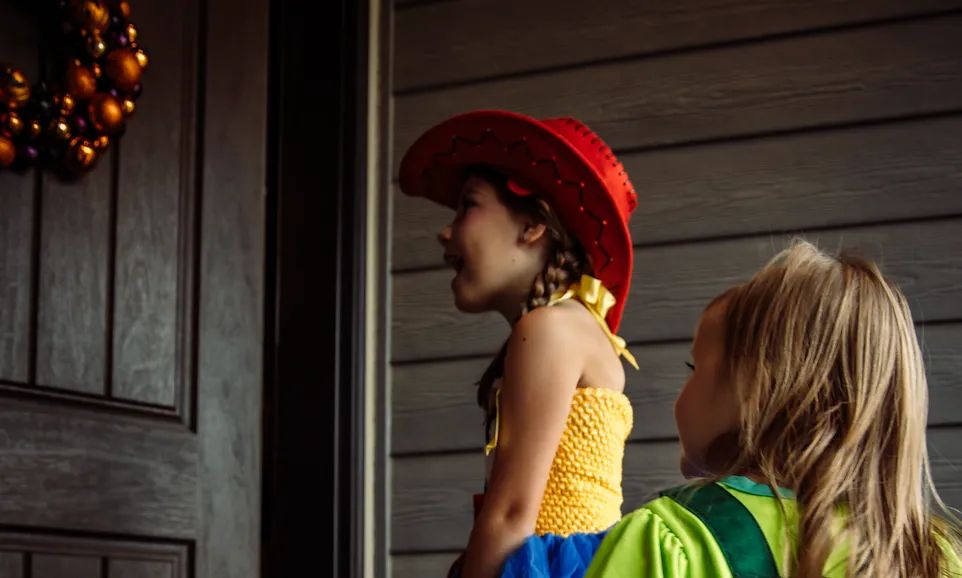
For most of us, Halloween night is an exercise in controlled chaos: the doorbell ringing, excited kids in costumes, sugar rushes, and a steady stream of new faces at the front door. Whether you're anticipating a night of handing out candy or heading out with the kids, the family pet can easily become an afterthought. But Halloween doesn't have to be stressful for pets or parents. We spoke with Dr. Bryna Schuchhardt at Shiloh Veterinary Animal Hospital and Izzy Zalenski at Yellowstone Valley Animal Shelter for their tips on turning Halloween's potential hazards into a safe, fun family tradition.
Why Halloween is Stressful for Pets
To a pet, Halloween can feel like a sudden shift in routine, putting them on high alert. Think about how your pet normally reacts when the doorbell rings: Do they run to the door in excitement, bark incessantly, or cower in the corner? Now imagine the doorbell ringing over and over, with costumes changing the appearance of familiar faces and high-energy, unpredictable kids crowding the doorstep. It's sensory overload, and how your pet responds is anyone's guess. A little planning goes a long way.
Doorbells & Costumes
"The best thing you can do for your pet is put them away," Izzy says. "Putting your pet in a room with a closed door during this busy evening will keep them from slipping out an open door, stop them from barking at kids or pushing through to say hello, and keep trick-or-treaters at your door safe." Give your pet a favorite toy or puzzle, and if possible, have a family member stay with them. If that's not an option, Dr. Schuchhardt suggests sitting by the door to greet trick-or-treaters before they knock or ring the bell.
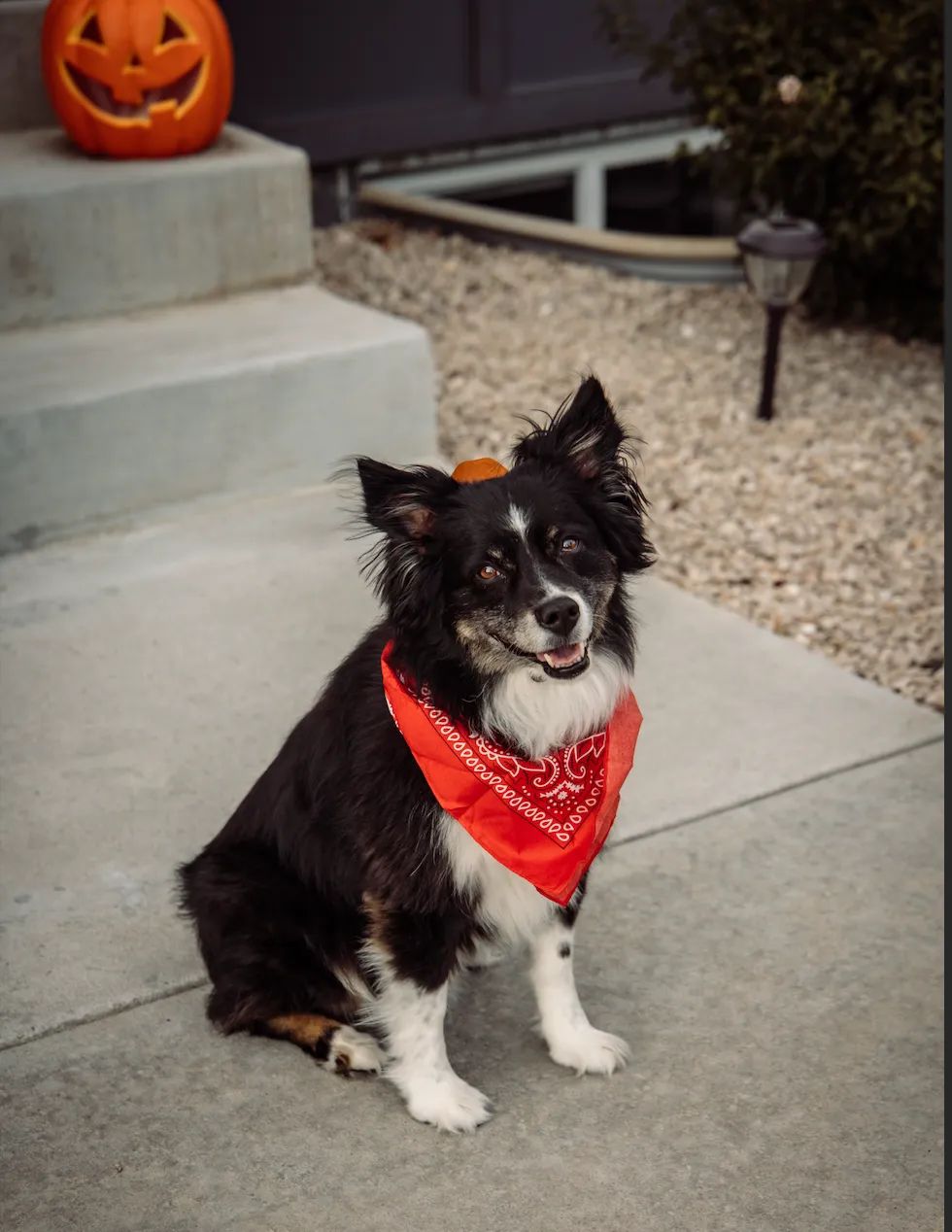
If your pet tolerates a costume, go ahead and dress them up for photos; you know them best. Just remove any small dangling pieces or chewable bits, and make sure the costume doesn't restrict movement. Dogs communicate largely through their ears and tail; if a costume covers those, your dog may feel vulnerable and stressed. And never leave a costumed pet unattended. They'll likely try to get out of it, which can create choking hazards and other safety risks.
Trick-or-Treating
If you do bring your pet along for trick-or-treating, keep them on a short leash, make sure their tags are on, and add something reflective or light-up. Watch their body language, and if they seem stressed, take them home. It also helps to remind trick-or-treaters to give pets a little space.
Bringing Home Treats
Once the night's festivities wind down and everyone is back home, keeping candy away from a curious pet becomes crucial. Most people know dogs shouldn't have chocolate, but "really anything that has sugar in it can cause digestive issues," says Dr. Schuchhardt, "and even healthy snacks like nuts or buttered popcorn can contribute to pancreatitis." Treats containing xylitol (common in sugar-free candy and gum) are especially dangerous.
Pay attention to where the candy ends up after the living-room dump, whether it's sorted into bowls or hauled off to kids' rooms. Store it high and away, because a wrapper (or even a box) won't stop a determined pet. "And the wrapper or the stick from the sucker can pose even more of a risk than the treat itself," Dr. Schuchhardt adds.
Don't forget about small plastic toys and glow sticks, either. The chemicals inside typically aren't life-threatening, but they can cause dramatic reactions in pets, especially cats.
When to Call for Help
Above all, prevention is the goal. "Avoidance is best. It's the safest and the cheapest," says Dr. Schuchhardt. But if you suspect your pet has gotten into something they shouldn't have, don't wait it out. Call your vet first; if they're unavailable, the ASPCA Poison Control line at (888) 426-4435 can help you determine whether medical attention is needed.
A quiet room, a stocked toy stash, and candy stored out of reach go a long way toward keeping Halloween fun for the whole family. As Izzy puts it, "Animals are often the favorite part of a family. Of course, we want them included in such a wonderful time of year."
3 Hidden Halloween Hazards for Pets
- Stretchy Fake Webbing and Décor: If ingested, stringy fake spiderwebs or tinsel-like decorations can cause intestinal blockages that require surgery.
- Glow Sticks and Glow Jewelry: The liquid inside isn't usually fatal, but puncturing one causes intense mouth irritation and drooling, especially in cats, and the broken plastic is a choking hazard.
- Real Candles: Curious cats or excited tail wags can tip over an open flame, singeing fur or starting a fire. Battery-operated LED candles are a safer swap.
Originally printed in the October 2026 issue of Simply Local Magazine
Never miss an issue, check out SLM's digital editions here!


