
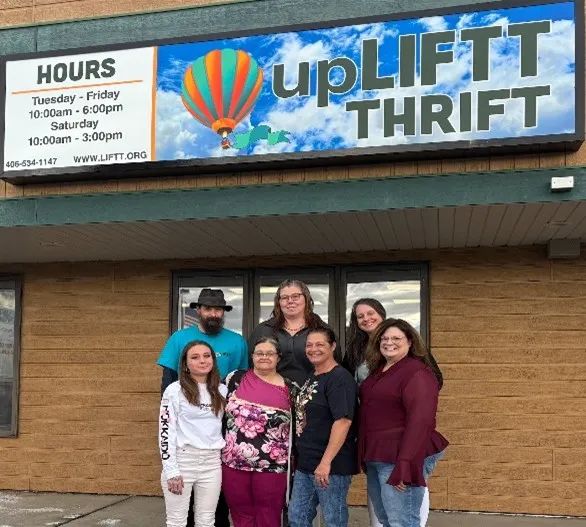
Photos courtesy of LIFTT
Hope on Wheels: How One Chair Kept Independence Rolling
On a cold December morning, as the year quietly wound down, a small update arrived at LIFTT that would make a life-changing difference. A set of donated, fully functioning power chairs had become available. To some, it might have sounded like equipment. To those who work in independent living, it represented something far greater: continued independence, safety, dignity, and freedom of movement.
Almost immediately, one individual came to mind. We will call him KD. His power chair was essential to daily life. It allowed him to get out of bed, move through his home, visit friends, and stay connected to his community. But the chair was failing. It slowed down, malfunctioned, and threatened to quit entirely. It clearly needed time in the repair shop.
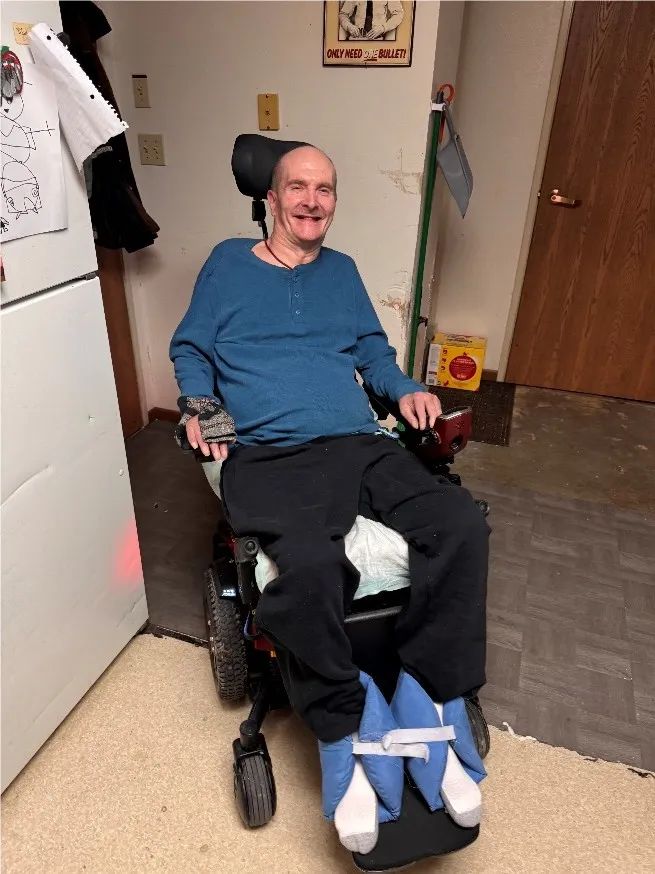
That created a painful dilemma. If the chair went in for repairs, KD would have no way to move independently. There was no backup option. Staying mobile meant risking total failure at any moment. Sending it in meant being stuck in bed and cut off from everyday life.
This is where LIFTT’s mission moved into action.
Personal Care Attendant facilitators raised the concern. The Independent Living Program stepped in. The newly opened upLIFTT Thrift Store joined the conversation. Together, staff worked through a shared question: how to get KD into a safe, reliable chair immediately, while also protecting both the individual and the organization and creating a process that could help others in the future.
Over the next 24 hours, teams collaborated across departments, reviewed policies, and combined their expertise. The result was a practical and thoughtful solution: a Temporary Wheelchair Loan Agreement. This new process clearly outlines responsibilities, documentation, and consent, allowing power chairs to be loaned short-term while a primary chair is being repaired.
KD became the first person to benefit.
When the donated chair arrived and he transferred into it, the impact was immediate. The stress lifted. Daily routines could continue. Repairs could happen without fear that life would come to a standstill. What could have meant days or weeks of isolation instead became a simple reality: life went on.
That moment reflected far more than a single chair. It highlighted a network of care, from the donor who trusted LIFTT with a valuable piece of equipment, to the upLIFTT Thrift Store that stewarded the donation, to the PCA and Independent Living teams who understand that independence is not optional. It also showed how leadership can turn a one-time challenge into a lasting solution.
For KD, it was a temporary loaner chair. For the community, it was proof that systems can adapt when independence is on the line.
This story is a reminder of what happens when people work together with purpose. One donated power chair became Hope on wheels, and it set the stage for many more moments like it to come.