
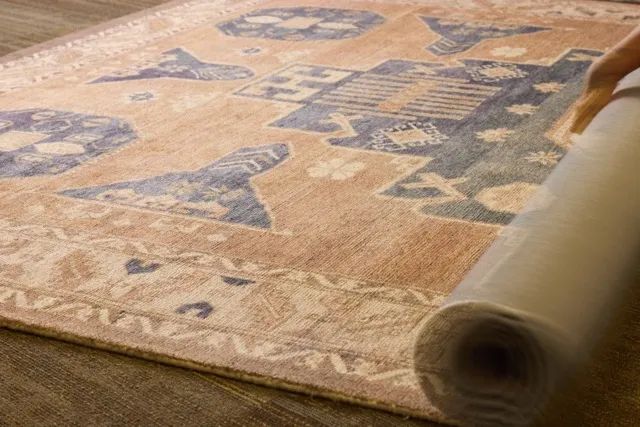
Grounded in Good Design
July 2026
Article by Jennifer Miller
Photos by Nathan Satran
Most homeowners begin designing a room the same way: paint first, furniture second, and the rug somewhere near the end. According to Kimberly Wynia, store manager at Pierce Flooring & Cabinet Design Center, that approach is exactly backward. “The rug is the foundation of every room,” she says. “You start from the ground up.”
It is a simple design principle, but one many homeowners overlook. Rugs are often treated as the finishing touch, when in reality, they help set the tone for everything that follows, from color palette and furniture to the overall feel of a space.
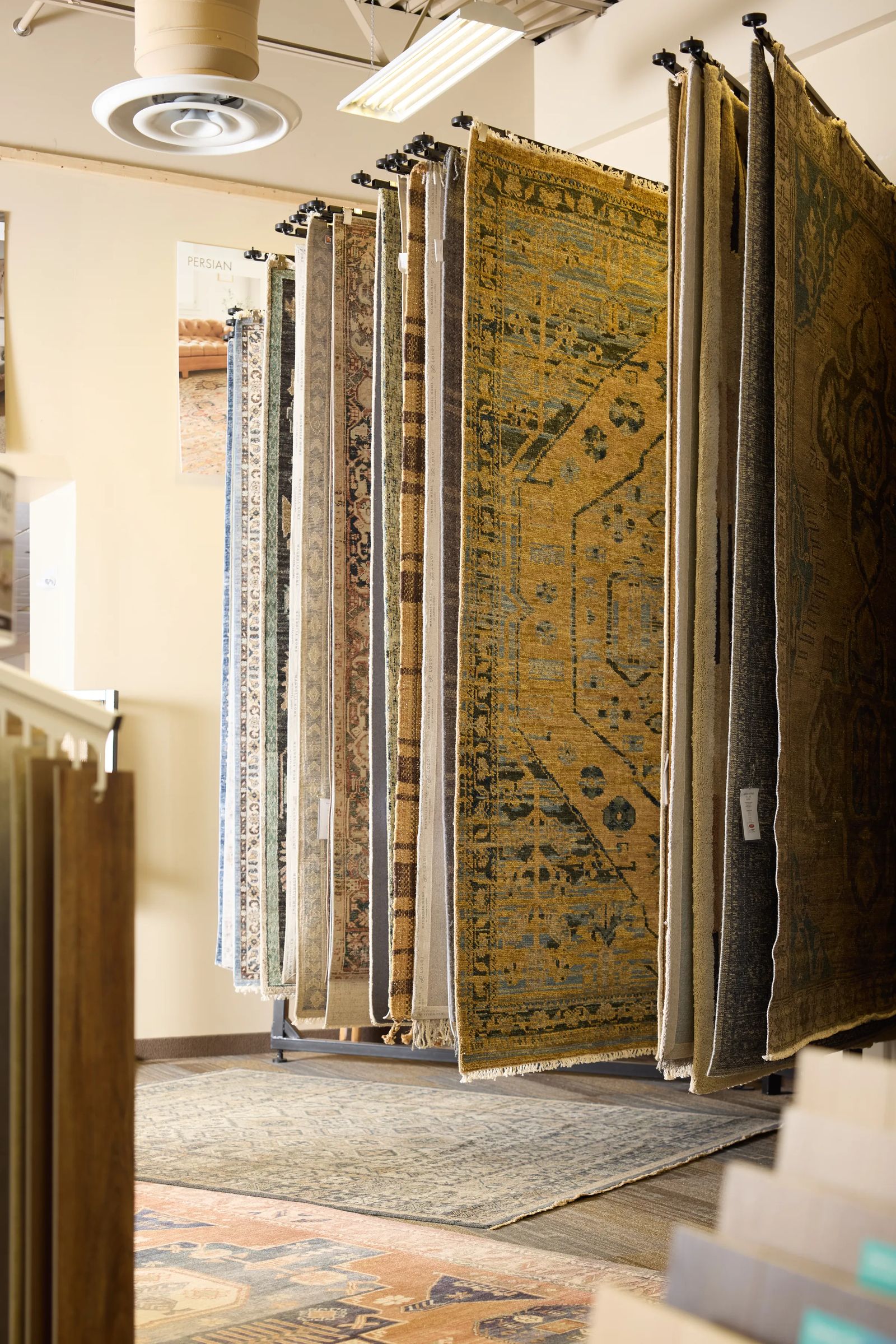
That philosophy is part of what inspired Pierce’s newest addition: a dedicated rug gallery designed to give Billings homeowners, builders, and designers a place to see, touch, and experience rugs in person before investing.
For Wynia, the idea came from noticing a real gap in the local market. “There just wasn’t a good place in Billings to go see a wide variety of beautiful rugs that you could actually order in the size you need,” she says.
And while online shopping has made almost anything accessible, rugs remain one of the trickiest home purchases to make from a screen. Color can look different. Texture can be misleading. Materials are hard to judge. What seems perfect online can feel entirely wrong once it lands in your living room.
“Pictures on the internet just don’t tell the whole story,” Wynia says. “When it comes to design, you really need to see it, touch it, and feel it.”
Why Rugs Matter More Than You Think
A good rug does more than soften a room. It anchors furniture, defines spaces, adds warmth, and often introduces the pattern or color that ties everything together.
“It’s almost impossible to do everything else first and then find a rug that works,” Wynia says. “That’s how people end up with boring rugs.” Instead, she encourages homeowners to choose the rug first, then build around it. That doesn’t mean the rug needs to be loud or dramatic, but it should help guide the room.
And if you are nervous about color? “Don’t be afraid,” Wynia says. “Once color is on the floor, it actually gets quieter than people expect.”
Common Rug Mistakes
One of the biggest mistakes homeowners make is choosing a rug that is too small. “A lot of people are afraid to go bigger,” Wynia says. “But you almost always should.”
A properly sized rug helps a room feel intentional and grounded. In living spaces, at minimum, the front legs of furniture should sit on the rug. In dining rooms, chairs should remain fully on the rug even when pulled out.
If sizing feels overwhelming, Wynia recommends a simple trick: painter’s tape. Lay out the dimensions on your floor before purchasing so you can physically see what feels right.
Another common mistake? Choosing the wrong material for how you actually live.
A thick shag rug may look beautiful, but it may not be ideal under a dining table with young children. Likewise, homeowners sometimes assume delicate rugs and real life cannot coexist. Wynia disagrees.
Wool, for example, remains one of her top recommendations for families. “It’s durable, naturally stain resistant, and made to last,” she says. While synthetic rugs can be a more budget-friendly option, they often do not wear as gracefully over time. That said, the best rug is still the one that fits your lifestyle.
“Design should work for how you live first,” Wynia says.
Designing for Real Life
For homeowners with kids, pets, or high-traffic spaces, practicality matters.
Low-pile rugs tend to be easier to vacuum, easier to clean, and less likely to trap spills or crumbs. Natural options like jute can also perform surprisingly well, especially in dining spaces.
Wynia laughs, remembering the jute rug she once kept under the dining table in a family Airbnb. “You could never tell what happened to it,” she says.
The bigger point is that a beautiful home does not have to be fragile. Thoughtful design can absolutely coexist with everyday life.
A New Local Resource
What makes Pierce’s rug gallery especially useful is the hands-on experience it offers. Rather than ordering online and hoping for the best, homeowners can compare materials, see true color, and even bring rugs home to test in their own space before committing.
That includes help from Pierce’s design team, whether someone is working with a professional designer or simply trying to make the right decision on their own. “We want people to feel confident,” Wynia says. “It’s an investment.”
That confidence matters, especially with larger purchases that can dramatically shape the feel of a room. For Wynia, who has a background in interior design, helping homeowners make those choices is part of the fun.
And while she has seen design trends shift over the years, one thing has remained consistent: well-designed homes feel intentional. With so much inspiration available online, she believes homeowners are becoming more thoughtful about the spaces they create.
“I think people care more about making their homes feel good,” she says. Her advice on where to begin? Go back to the floor. “Start with the rug,” she says. “Then build your room around it.”
Originally printed in the July 2026 issue of Simply Local Magazine
Never miss an issue, check out SLM's digital editions here!


