
The Art of Starting Seeds
March 2026 | The Outskirts
article by Morgan Williams | photos by Jessica Plance
Spring is fast approaching, and if you’re a gardener, you’ve likely been planning your beds for weeks. In Montana, our growing season is relatively short, and the weather is notoriously unpredictable, making planting season feel a little precarious. But if you’re committed to enjoying an abundant harvest come fall, starting seedlings indoors can give you a valuable head start.
While many local nurseries offer seedlings later in the spring, starting your own at home is a wonderful way to involve kids in the process. It gives them hands-on experience and helps them develop the rhythm, timing, and patience required for gardening. Before gathering supplies, decide what you want to grow. A helpful planning tool is the Farmer’s Almanac online planting calendar. Simply enter your zip code, and it will provide recommended planting dates tailored to our area.
Tender vegetables such as tomatoes, peppers, and eggplants, as well as longer-season crops like broccoli, cauliflower, and Brussels sprouts, do especially well when started indoors. Root crops such as carrots, radishes, and beets, as well as squash and watermelon, don’t like their roots disturbed and are best sown directly outdoors.
*Fun fact:
The Billings Public Library Seed Catalog offers free seeds, making it a great resource for families eager to experiment with gardening.
Once you’ve chosen your seeds, create a simple seed chart on a poster board. Include:
- Name of the seed
- Days to germination
- Estimated transplant date
- When to start hardening off
- Expected days to harvest
- Watering & sunlight needs
After gathering seeds, grab an empty egg carton and some potting soil. Use a pen to poke a drainage hole in the bottom of each compartment, then fill with soil and plant according to seed depth instructions. Label each section of the carton to indicate what’s growing where.
Place your seedlings in appropriate sunlight and water them based on their needs. A spray bottle works well, and kids love it. Lean into the daily ritual of checking for sprouts. That first speck of green sparks awe and wonder, no matter your age.
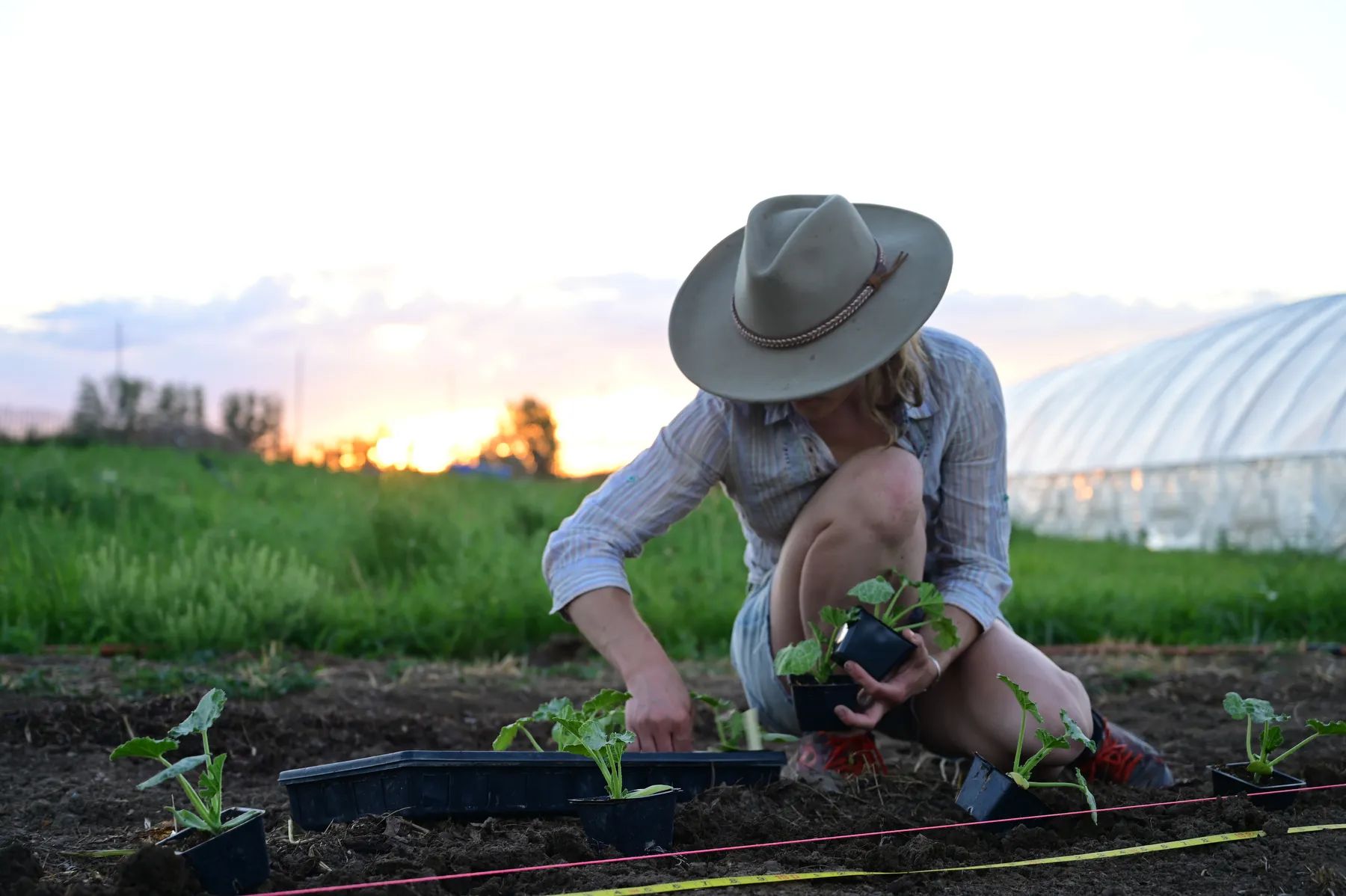
Once seedlings outgrow their starter pots, you'll know it’s time to transplant when roots are growing out of the drainage holes, or the plant is getting top-heavy. But first, they need to be hardened off. Think of this as training for a race: plants can’t go straight from the cushy indoor environment to the harsher outdoors.
- Water seedlings before taking them outside
- Start with an hour or two in a sheltered spot
- Gradually increase outdoor time over a week
- After a week, plants are ready for the garden or containers.
Pairing this with a calendar (i.e., writing “Expected Watermelon Harvest” on September 17th) lets kids track and count down the days all summer, a fun way to combine gardening with a bit of math and patience.
This project is simple, affordable, and hands-on, giving kids a sense of accomplishment and a tangible connection to nature.
Originally printed in the March 2026 issue of Simply Local Magazine
Check this article out in the digital issue of Simply Local here!


