
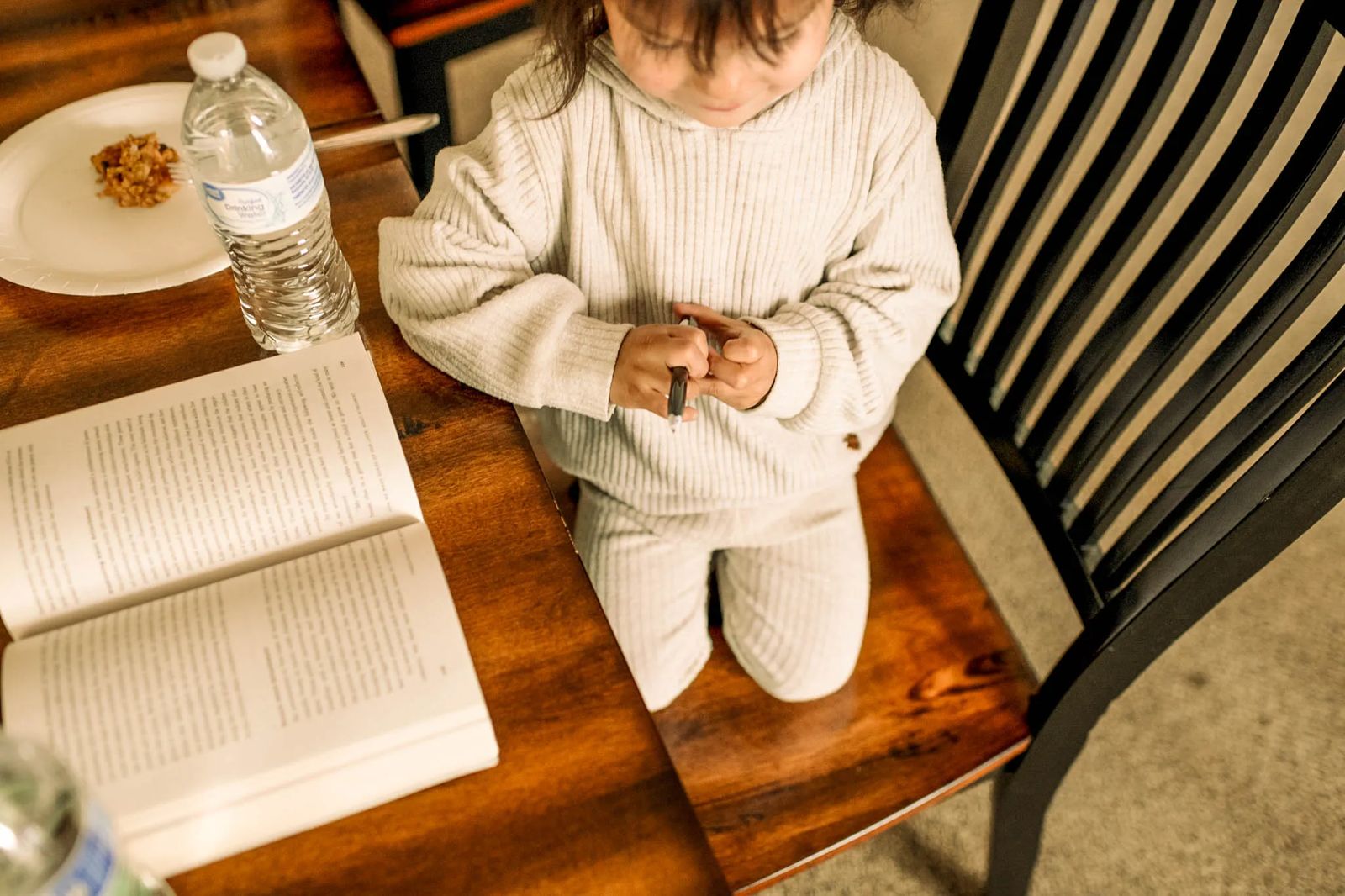
Changing Children's Stories in Foster Care
September 2026
Article by Jessica Renstrom
Photos courtesy of Child Bridge
Inside the Harris home, you'll find a bedroom closet full of totes of clothing in every size, from newborn onesies to ten-year-old t-shirts, each one ready and waiting for a child who might arrive scared, confused, and carrying nothing but the clothes on their back. A photo wall covers the hallway corner, filled with pictures of the children who belonged there, even if only for a season.
This house may seem like a typical family home, but for a child in need of a safe space, it provides so much more than a bed.
Evan and Sadie Harris were originally drawn toward fostering because they thought it would be a stepping stone to adoption. But soon after beginning their foster care journey, their understanding of foster care shifted.
They soon realized that fostering is really about reunification, stability, and showing up for a child through however much time they have together. Often, the biological parents of foster children love their kids deeply but are navigating real struggles with mental health, addiction, or financial instability, and need more support and time to get back on their feet without the weight of caring for children. During that time, Evan and Sadie work to create a safe, loving environment where children can thrive.
Since 2021, the Harrises have opened their home to six children and provided respite care for many more. The children placed with them have been mostly five and under, though sometimes as old as twelve. Though each of these children has their own stories, backgrounds, and traumas to overcome, they all share the same desire: "All kids want to be seen, known, and loved," Evan says.
"When a child knows that at the core of their being they are loved and safe, they can do the work of childhood, which is growing, developing, playing," Sadie says. "Seeing them be able to shift into doing that work of childhood is immensely rewarding."
Despite the rewards, foster care can be challenging, which is where Child Bridge steps in. Child Bridge provides foster families with trauma-informed parent training, monthly Foster Connect meetings, and a network of other foster families who understand the work firsthand. Evan and Sadie were referred to Child Bridge early on in their journey and say that the impact of Child Bridge has changed the way they parent.
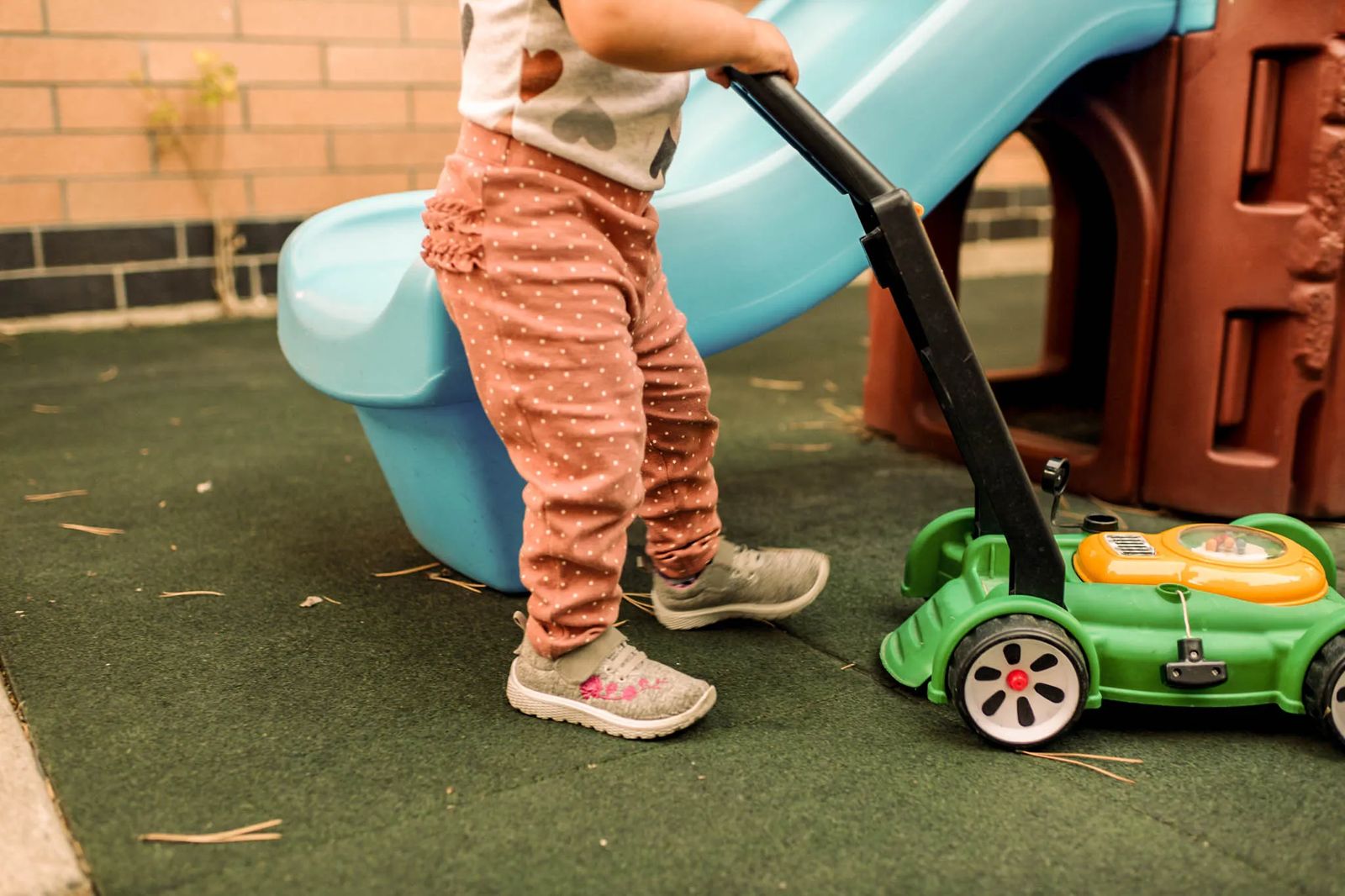
"It's no secret that foster care is difficult because you're not just bringing a child into your story, you're stepping into their story," says Mary Cloud Vander Ark, Communication Specialist with Child Bridge. "You don't know how complex it's going to be. Having community means not just winging it. You have mentors who have walked through similar things."
And community, in all shapes and sizes, is the foundation that all parents and kids need. "It takes a village," Sadie emphasizes. "For children whose stories are full of messy situations, we consider ourselves so lucky to get to be part of the village for those kids."
Think you may want to be part of a child's village? If you've ever considered fostering, Evan has a simple answer: "The need is there," he says. "A lot of us look at the community's needs and think 'someone should step up and do that,' right? Foster care is a place where you can be that someone."
For more information on how you can help a foster child or a foster family, visit childbridgemontana.org.
Originally printed in the September 2026 issue of Simply Local Magazine
Never miss an issue, check out SLM's digital editions here!


